

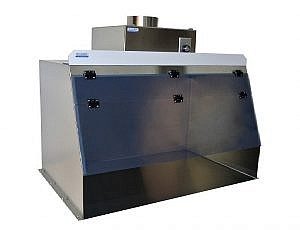
When you invest in laboratory equipment, durability should be one of your top priorities. A fume hood is not just another workstation—it is a critical safety system that protects you from hazardous fumes, vapors, and chemical exposure. Choosing a model that withstands daily use, harsh chemicals, and demanding laboratory conditions helps you reduce maintenance costs while ensuring reliable performance for years.
Among the available options, a stainless steel fume hood stands out because of its exceptional strength, corrosion resistance, and long service life. Whether you work in pharmaceutical research, semiconductor manufacturing, chemical processing, or industrial testing, selecting durable equipment allows you to focus on your work instead of worrying about equipment failures.
Built to Resist Corrosion
One of the biggest reasons stainless steel fume hoods last so long is their outstanding resistance to corrosion. Many laboratory environments expose equipment to acids, solvents, moisture, and aggressive chemicals that can quickly damage ordinary metals.
Stainless steel naturally forms a protective oxide layer that shields the surface from rust and corrosion. This protective barrier continuously renews itself when exposed to oxygen, helping maintain the hood’s structural integrity even after years of use.
If your laboratory regularly handles corrosive substances, choosing a long-lasting Stainless Steel Fume Hood helps minimize damage while extending equipment lifespan.
Exceptional Structural Strength
Laboratories operate every day under demanding conditions. Equipment experiences constant opening and closing of sashes, placement of instruments, chemical spills, and continuous airflow.
Stainless steel offers excellent mechanical strength compared to many alternative materials. It resists dents, cracks, bending, and structural fatigue even after years of heavy laboratory use.
Because of this durability, you spend less time dealing with repairs and more time maintaining efficient laboratory operations.
Easy to Clean and Maintain
Cleanliness directly impacts laboratory safety and performance. Stainless steel has a smooth, non-porous surface that prevents contaminants from becoming trapped.
You can easily remove:
- Chemical residues
- Dust particles
- Biological contaminants
- Laboratory spills
- Moisture
Routine cleaning requires minimal effort, reducing maintenance time while supporting cleaner work environments.
Its stain-resistant surface also helps maintain a professional appearance throughout its service life.
Excellent Chemical Compatibility
Not every laboratory works with the same chemicals. Some environments involve highly reactive compounds that gradually degrade painted metals or coated surfaces.
Stainless steel performs exceptionally well against many common laboratory chemicals, making it suitable for applications such as:
- Chemical laboratories
- Pharmaceutical manufacturing
- Semiconductor production
- Biotechnology research
- Material testing
- Industrial quality control
This broad chemical compatibility contributes significantly to the equipment’s longevity.
Resistant to Heat and High Temperatures
Many laboratory processes generate elevated temperatures. Stainless steel maintains its strength and structural stability even when exposed to heat.
Unlike some materials that warp or weaken over time, stainless steel continues performing reliably under varying operating temperatures.
This makes it an ideal material for laboratories where thermal resistance is an important consideration.
Lower Long-Term Ownership Costs
Although stainless steel equipment may have a higher initial purchase price, you often save money over its lifetime.
Long-lasting equipment helps reduce:
- Repair expenses
- Replacement costs
- Downtime
- Maintenance frequency
- Surface refinishing
- Corrosion-related damage
Instead of replacing damaged equipment every few years, you benefit from dependable performance over a much longer period.
The result is a better return on your investment.
Designed for Demanding Laboratory Environments
Modern laboratories require equipment that performs consistently without compromising safety.
A high-quality laboratory-grade Stainless Steel Fume Hood is specifically engineered for demanding environments where reliability is essential.
Its robust construction allows it to support continuous operation in facilities such as:
- Universities
- Research institutions
- Pharmaceutical companies
- Electronics manufacturing
- Medical laboratories
- Industrial research centers
Even under heavy workloads, stainless steel maintains its performance with minimal deterioration.
Supports Laboratory Safety
Longevity isn’t only about lasting longer—it also supports safer laboratory operations.
A deteriorating fume hood may develop corrosion, damaged surfaces, airflow issues, or structural weaknesses that compromise containment.
A durable stainless steel design helps maintain:
- Stable airflow performance
- Strong structural integrity
- Reliable chemical containment
- Consistent laboratory protection
By minimizing material degradation, you reduce the likelihood of safety-related failures.
Environmentally Sustainable Choice
Replacing laboratory equipment frequently generates waste and increases resource consumption.
Because stainless steel lasts for many years, fewer replacements are needed throughout your laboratory’s lifecycle.
Additionally, stainless steel is highly recyclable, making it a more environmentally responsible material compared to many alternatives.
Choosing durable laboratory equipment contributes to sustainable operations while reducing long-term environmental impact.
Professional Appearance That Lasts
Laboratories benefit from equipment that maintains a clean, polished appearance.
Unlike painted surfaces that chip or coated metals that peel, stainless steel retains its professional finish for years with proper maintenance.
This creates a cleaner workspace while reflecting high operational standards during inspections, audits, and customer visits.
Choosing the Right Stainless Steel Fume Hood
Before purchasing, consider several important factors:
- Laboratory application
- Chemical compatibility
- Hood dimensions
- Airflow requirements
- Exhaust configuration
- Material quality
- Safety features
- Maintenance requirements
Selecting equipment designed specifically for your workflow helps maximize both performance and lifespan.
If you’re looking for a durable Stainless Steel Fume Hood for chemical laboratories, explore the available solutions from Stainless Steel Fume Hood to find a model that matches your laboratory requirements.
Working with an experienced laboratory equipment manufacturer also ensures you receive reliable products backed by industry expertise. Learn more about CleaTech LLC and its laboratory solutions designed for demanding research and industrial environments.
If you need guidance selecting the right system for your facility, Contact us today to discuss your laboratory requirements with experienced professionals.
Conclusion
When your laboratory depends on reliable containment and consistent performance, investing in durable equipment is a smart long-term decision. Stainless steel fume hoods are built for longevity because they resist corrosion, tolerate harsh chemicals, withstand heavy daily use, and require minimal maintenance. Their strength, safety, and long service life make them an excellent investment for laboratories seeking dependable performance and lower ownership costs. Choosing quality equipment today helps ensure safer, more efficient laboratory operations for years to come.
Frequently Asked Questions
Why does a stainless steel fume hood last longer than other materials?
Stainless steel resists corrosion, chemical damage, moisture, and physical wear, allowing it to maintain performance for many years.
Is a stainless steel fume hood suitable for chemical laboratories?
Yes. It is widely used in chemical laboratories because it offers excellent resistance to many corrosive chemicals and demanding working conditions.
How often should you clean a stainless steel fume hood?
You should clean it regularly according to your laboratory protocols and immediately after chemical spills to maintain safety and performance.
Does stainless steel require special maintenance?
No. Routine cleaning and periodic inspections are usually sufficient to keep the hood operating efficiently.
What industries commonly use stainless steel fume hoods?
Pharmaceutical, biotechnology, semiconductor, chemical manufacturing, industrial research, healthcare, and educational laboratories commonly rely on stainless steel fume hoods for long-lasting performance.