

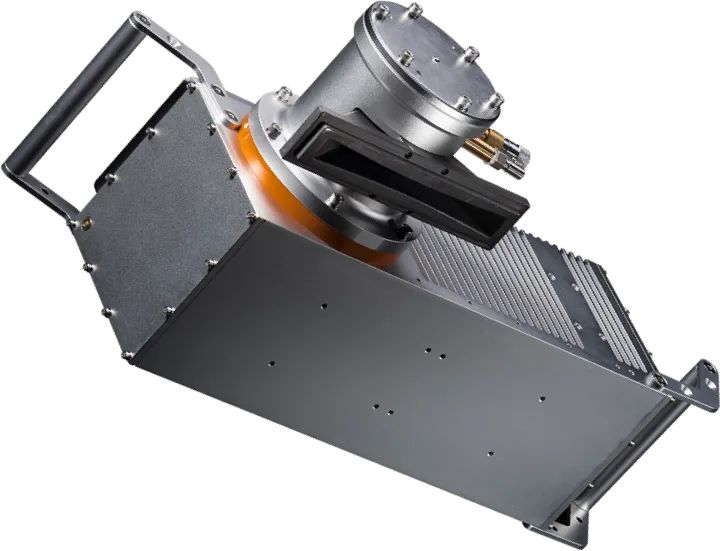
Advanced inspection systems reveal internal details without damaging objects. X-ray technology helps inspect electronic assemblies, industrial components, and packaged products that cannot be assessed through surface checks alone. Results depend on how the source, detector, shielding, and controls work together. For compact X-ray source manufacturers, integration means considering the complete inspection system rather than the source alone.
Understanding the Main Components of an X-Ray Inspection System
An X-ray inspection system combines components with connected functions. The source generates radiation, the object modifies the beam, and a detector captures what passes through. Image-processing software converts detector data into a visual representation that operators can assess for features or defects. These elements establish the path from radiation generation to usable information for system operators overall.
The source may include an X-ray tube, high-voltage power supply, control electronics, and supporting elements. Integrated designs combine functions in one assembly, helping developers manage space and compatibility. The source, detector, object positioning, and controls must still work together for the intended inspection task. Review specifications together because changes to one component can affect the entire setup.
How Compact Components Fit Into Equipment Design
Compact components give designers flexibility inside a machine enclosure. An integrated assembly combines key source functions without requiring separate spaces for each element. This can simplify mechanical planning and reduce connections when installation space is limited.
For compact X-ray source manufacturers, integration means balancing size with electrical needs, thermal management, shielding, and output stability. Engineers should assess installation space, imaging needs, cooling, and maintenance access before choosing a source.
1. Mechanical Mounting and Positioning
The source must be mounted at a suitable distance and angle from the object and detector. Its position affects beam coverage, image geometry, and product movement. Compact dimensions can help fit components into restricted enclosures, but the mounting arrangement must still provide stability and accurate alignment.
2. Electrical Connections and Control
The source needs compatible electrical input and control interfaces. Engineers should check voltage requirements, communication methods, control signals, and connections during integration. Planning these interfaces early can reduce redesign and help the source operate as intended within the complete machine.
3. Thermal Management
X-ray source assemblies generate heat during operation, so thermal planning matters. Depending on the model and duty cycle, the system may require airflow, heat dissipation, or a specified cooling arrangement. Engineers should follow the source’s operating limits to protect components and support consistent performance.
4. Radiation Shielding and Safety
Shielding helps control unwanted radiation exposure around the inspection area. Its design depends on source output, operating conditions, enclosure construction, and applicable safety requirements. Integrators must evaluate shielding across the complete system; a compact source alone does not make equipment safe.
5. Detector Alignment and Image Geometry
The detector must capture the beam after it passes through the object. Source-to-object distance, object-to-detector distance, beam direction, and detector characteristics influence the resulting image. Careful alignment helps developers use the imaging area effectively and obtain information suited to the inspection task.
Matching Source Characteristics to Inspection Requirements
Inspection tasks require different X-ray configurations. The source depends on material type, object dimensions, required detail, and inspection speed. Selecting against these needs helps developers avoid unsuitable or unnecessary capabilities.
Electronic inspection may require visibility of small internal structures, while food inspection may focus on foreign materials in packaged products. Industrial nondestructive testing may need a different balance of penetration, detail, and portability. Source output, focal spot, operating cycle, and detector compatibility should be considered together.
Workload matters, too. A source used intermittently may have different thermal requirements from one operating continuously. Matching the duty cycle helps developers choose components suited to the process.
Where Compact X-Ray Integration Adds Practical Value
Compact source assemblies support inspection systems when their specifications match the application. They fit essential X-ray functions into equipment while accounting for space, electrical needs, and operating conditions. This helps designers balance source placement with product movement, detector position, shielding, and service access.
Common applications include:
- Electronics Inspection: Examining internal features of electronic components and assemblies.
- Food Inspection: Supporting checks for foreign contaminants in food products.
- Industrial Nondestructive Testing: Examining internal structures without damaging the object.
- Security Screening: Supporting inspection of baggage, parcels, and cargo.
- Analytical Instruments: Providing X-rays for material analysis and related measurements.
Each application requires assessment of penetration, detail, throughput, shielding, and layout. Engineers should verify specifications against the inspection goal and operating environment before integration.
Key Checks Before Integrating an X-Ray Source
Before incorporating a compact source into an inspection machine, engineers should review the following factors:
- Available installation space and mounting requirements
- Electrical input and control interface compatibility
- Required X-ray output and operating range
- Cooling and heat dissipation requirements
- Shielding and radiation safety provisions
- Detector compatibility and beam alignment
- Expected workload and duty cycle
- Maintenance access and component replacement needs
These checks help identify design conflicts before assembly. Teams should consult technical documentation and applicable safety standards before finalizing the complete system.
Building a Well-Integrated Inspection System
Successful integration involves more than choosing a small source. Engineers must consider how it interacts with the detector, structure, controls, shielding, and image-processing functions. Testing helps confirm whether the equipment meets inspection requirements.
A practical process starts with application requirements, source selection, interface planning, mechanical design, and safety evaluation. Prototype testing can reveal alignment, thermal, or control issues. This approach helps developers create systems suited to their operating environments.
Conclusion
Compact X-ray components help equipment developers use available space effectively while bringing essential source functions together. Attention to electrical compatibility, cooling, shielding, detector alignment, and application requirements helps components fit into a complete system without overlooking performance or safety. Careful planning can also reveal integration issues before final testing.
If you are looking for integrated source technology and high-voltage generation options for specialized inspection equipment, VJ X-Ray offers integrated X-ray sources and high-voltage X-ray generators for OEM requirements. Its engineering experience and customizable solutions make VJ X-Ray OEM solutions a relevant option for developers assessing source configurations. With a focus on precision engineering and integration needs, VJ X-Ray supports OEMs evaluating X-ray technology for their intended systems.