

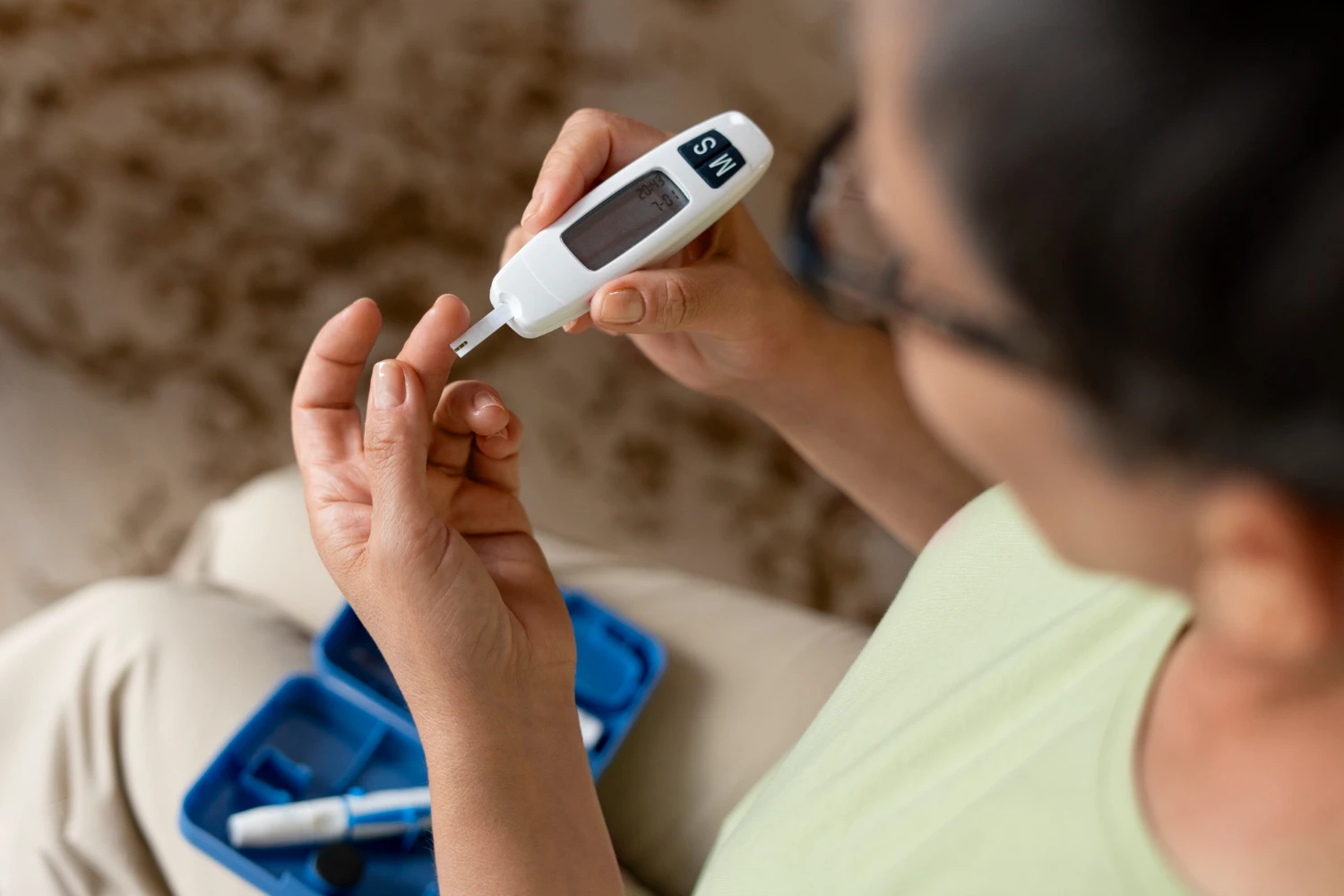
Managing diabetes is not about making every meal perfect or changing your entire routine overnight. It is about building habits that help keep blood glucose within an individual target range while supporting energy, sleep, and overall health. Choices around food, movement, stress, and medical follow-up can add up over time. A diabetes clinic in Vijaynagar, Bangalore can help patients connect daily habits with clinical advice.
Understanding Lifestyle-Based Diabetes Management
Lifestyle-based diabetes management combines suitable eating patterns, regular physical activity, restorative sleep, stress management, and prescribed treatment. Food affects how much glucose enters the bloodstream, while muscles use glucose during movement. Lifestyle changes support medical care; they do not replace medication or professional advice when needed.
For people seeking a diabetes clinic in Vijayanagar, Bangalore, it is useful to look for care that considers daily routines alongside clinical results. A practical plan should reflect a person’s health history, medicines, food preferences, activity level, and individual glucose targets rather than rely on one strict routine.
Build Everyday Habits That Support Blood Sugar
Consistent routines make healthy choices easier to maintain. Begin with one or two achievable adjustments and review how they fit into daily life.
- Eat meals at reasonably consistent times.
- Include vegetables and fiber-rich foods regularly.
- Choose water instead of sugar-sweetened drinks.
- Add movement breaks during long periods of sitting.
- Follow the medication and monitoring plan agreed with a clinician.
People using insulin or certain glucose-lowering medicines may need guidance on meal timing and exercise to reduce the risk of low blood sugar.
Make Nutrition Choices More Sustainable
A balanced eating pattern can help manage blood glucose while providing nutrients for everyday activity. There is no single diet that suits every person with diabetes. Portion sizes, carbohydrate sources, cultural preferences, medicines, and other health conditions matter. A registered dietitian or qualified clinician can help turn general principles into realistic meals.
-
Choose Carbohydrates Thoughtfully
Carbohydrates raise blood glucose, but foods containing them also provide important nutrients. Whole grains, beans, lentils, vegetables, and whole fruit supply fiber and support fullness. Pay attention to portions and notice how meals affect glucose readings when monitoring is part of the care plan.
-
Add Protein and Healthy Fats
Eggs, fish, lean meats, tofu, pulses, nuts, and unsweetened dairy foods can make meals satisfying. Unsaturated fats from nuts, seeds, and selected oils can fit into a balanced pattern. Individual needs vary, especially for people managing kidney or heart conditions, so seek tailored advice.
-
Plan Portions Without Extreme Restriction
A plate method can simplify meals: fill about half the plate with non-starchy vegetables, one quarter with protein foods, and one quarter with a suitable carbohydrate source. This is a flexible guide, not a strict rule. Avoid crash diets or eliminating food groups without clinical guidance.
-
Be Mindful of Drinks and Snacks
Sweetened tea, soft drinks, energy drinks, and fruit juices can add sugar quickly. Water or unsweetened drinks are often useful alternatives. For snacks, consider nuts, plain yoghurt, or whole fruit in portions that suit the overall eating plan.
-
Keep Meals Culturally Familiar
Healthy eating does not require abandoning familiar dishes. Adjust portions, add vegetables, choose less refined grains more often, and limit excess sugar to make traditional meals fit a diabetes care plan.
Include Movement in Your Regular Routine
Physical activity helps muscles use glucose and supports cardiovascular health, mood, sleep, and weight management. Choose activities that suit your fitness, mobility, and medical needs. Walking, cycling, swimming, chair-based movement, or strength exercises may be options. Start gradually if you have been inactive, increasing duration or intensity as your ability improves.
Break up long sitting periods with movement. Some people find a short walk after meals helpful. Check with a healthcare professional before strenuous activity if you have complications, significant pain, or other concerns. If you use insulin or medicines that can cause hypoglycemia, ask how to manage glucose, food, and medication around exercise.
Support Progress Through Sleep and Stress Care
Daily routines extend beyond food and exercise. Poor sleep and ongoing stress can make diabetes self-management harder and may affect glucose levels. A steady bedtime, time to unwind, and support when pressure feels unmanageable can strengthen a long-term plan.
Helpful practices include sleep and wake times, reducing late caffeine if it affects rest, trying slow breathing, and staying connected with supportive people. Relaxation is not a replacement for treatment, but it can help people cope. If persistent low mood, anxiety, or sleep problems interfere with care, discuss them with a qualified professional.
Monitor Progress and Choose Support Carefully
Diabetes management works best when lifestyle habits are reviewed alongside medical monitoring. Glucose readings, HbA1c tests, blood pressure, cholesterol, kidney checks, eye examinations, and foot assessments may be part of follow-up, depending on individual needs.
When choosing support, consider these factors:
- Qualified healthcare professionals with relevant experience.
- Individual assessment rather than a one-size-fits-all plan.
- Clear communication about medicines and monitoring.
- Nutrition and activity advice that fits daily life.
- Follow-up arrangements and realistic, measurable goals.
Ask how progress will be reviewed and whom to contact if glucose levels change or side effects occur. Never stop or adjust prescribed medication independently. Seek urgent medical help for severe symptoms or dangerously high or low glucose according to your care instructions.
Conclusion
Long-term diabetes management is built through repeatable habits, not quick fixes. Balanced meals, regular movement, quality sleep, stress support, monitoring, and prescribed treatment work together. Progress may be gradual, and plans often need adjustment as health and schedules change. A clinician can help identify safe goals and make changes manageable.
For people exploring a diabetes reversal program, Andtil Healthcare offers an integrated approach that combines modern medical assessment with Ayurvedic care, nutrition, and personalised wellness support. Its focus on individual health needs helps people explore structured options for metabolic health with realistic expectations and professional oversight. While some people with Type 2 diabetes may achieve remission, outcomes vary, and continued medical monitoring remains essential.