

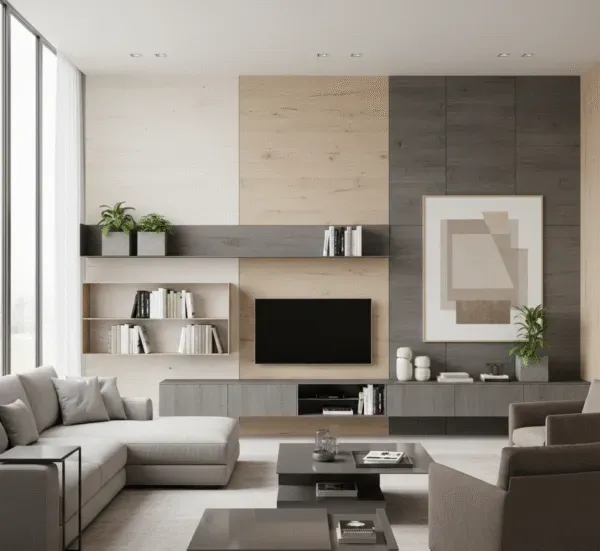
A well-designed interior often stands out because of the small details that bring everything together. The pattern on a cabinet, the texture of a wardrobe, or the finish of a wall panel can influence how an entire room looks and feels. Decorative laminates offer a practical way to explore these details while balancing appearance with everyday functionality. With different colours, patterns, and surface finishes available, Virgo HPL World is a relevant starting point for understanding the possibilities of modern laminate design. Learning how these elements work together can help homeowners, architects, and interior designers select surfaces that complement their spaces and suit their practical needs.
Understanding Decorative Laminates and Their Purpose
Decorative laminates are surface materials used to enhance furniture, cabinetry, wall panels, and other interior elements. They provide a finished appearance while helping surfaces withstand regular handling and everyday use. Their design flexibility makes them suitable for residential interiors, commercial spaces, offices, hospitality environments, and retail settings.
The appeal of decorative laminates lies in the variety they offer. Some designs recreate the appearance of natural materials, while others introduce solid colours, distinctive patterns, or contemporary visual effects. This range allows designers to explore different styles without limiting themselves to a single material appearance. However, choosing a suitable laminate involves more than selecting an attractive design. Understanding patterns, textures, and finishes helps ensure that the final surface complements the intended application.
Exploring Different Laminate Patterns
Patterns establish the visual character of a laminate. They can introduce warmth, create contrast, or give furniture a distinctive appearance. Selecting the right pattern depends on the surrounding colours, room dimensions, lighting, and overall interior theme. The following options offer different ways to approach surface design.
1. Woodgrain Patterns
Woodgrain laminates recreate the visual appeal of timber through varied shades, lines, and grain details. They can introduce warmth into wardrobes, cabinets, desks, and furniture units. Lighter wood-inspired patterns often complement understated interiors, while darker designs can create a richer and more prominent visual effect.
2. Stone-Inspired Patterns
Stone-inspired patterns bring the appearance of materials such as marble and other natural stone surfaces into interior design. Their distinctive veining and tonal variations can add character to counters, furniture fronts, and decorative panels. Coordinating these patterns with simpler surfaces can help maintain visual balance.
3. Solid Colours
Solid-colour laminates provide a consistent appearance without prominent decorative patterns. Neutral shades can support minimal interiors, while brighter colours can introduce contrast or highlight selected furniture elements. They are especially useful when the design calls for simplicity or when several different materials need to work together.
4. Abstract Patterns
Abstract designs introduce shapes, lines, and artistic arrangements that can make a surface more expressive. They may suit contemporary furniture, feature panels, and selected commercial interiors. Since these patterns can attract attention, using them selectively helps prevent the overall design from becoming visually overwhelming.
5. Decorative and Speciality Designs
Speciality decorative surfaces offer additional possibilities for projects that require a distinctive appearance. Depending on the collection, designers may explore unusual visual effects, refined detailing, or finishes that create a particular mood. Reviewing available samples helps determine whether a design works with the intended lighting and surrounding materials.
How Texture and Finish Change the Overall Appearance
Although patterns determine the visible design, texture influences how a laminate feels and how light interacts with its surface. A smooth finish can create a clean, understated impression, while a textured surface can introduce depth and tactile interest. These differences become noticeable when several surfaces are viewed together within the same room.
Finishes also affect the atmosphere of an interior. Matte surfaces generally create a softer visual effect, while glossy finishes reflect more light and can make selected details stand out. Textured or suede-like finishes offer another option for adding character. The appropriate choice depends on the design objective, lighting conditions, intended use, and maintenance expectations.
When comparing products from the best laminate manufacturers, it is helpful to examine physical samples rather than relying entirely on catalogue images. Screen settings can alter how colours appear, and photographs may not accurately represent texture. Checking samples under the room’s lighting can provide a clearer idea of how the finished surface will look.
Choosing Laminates for Different Interior Applications
A laminate that looks attractive in a showroom may not automatically suit every application. Furniture, wall panels, work surfaces, and commercial interiors can have different functional requirements. Considering the location and expected use before choosing a design can help narrow down the options.
For example, a wardrobe may benefit from a finish that complements bedroom furniture, while an office reception area might require a more distinctive pattern that supports the overall design concept. Kitchens and frequently used furniture also need careful consideration of surface performance, cleaning requirements, and installation details.
Before making a final selection, review these important factors:
- Intended application and location
- Pattern and colour coordination
- Texture and finish preferences
- Expected frequency of surface use
- Cleaning and maintenance requirements
- Product specifications and installation compatibility
These checks help connect design preferences with practical requirements. Comparing samples and technical information can also make it easier to choose a surface that suits the project rather than selecting a laminate based on appearance alone.
Conclusion
Decorative laminates offer considerable flexibility through their patterns, textures, and finishes. Understanding these differences helps designers and homeowners create interiors that feel coordinated while meeting practical requirements. The most suitable choice balances visual appeal, intended application, surface performance, and maintenance needs.
For those looking for versatile decorative surfaces for residential and commercial projects, Virgo Laminates offers a range of laminate and architectural surface solutions with varied designs and finishes. As an established HPL sheet manufacturer, Virgo Laminates serves architects, interior designers, contractors, and fabricators seeking surface options that combine design flexibility with functional performance.