

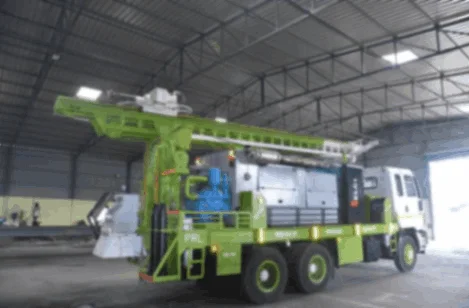
Drilling depth influences groundwater availability, equipment selection, project costs, and long-term performance. Understanding local geology helps project teams establish realistic drilling targets. A suitable borehole drilling machine must match the expected depth and ground conditions to support efficient operations.
Planning also requires considering groundwater demand, aquifer location, site accessibility, and borehole design. Evaluating these factors before work begins helps reduce uncertainty and prepare teams for potential challenges.
Importance of Drilling Depth in Water Projects
Drilling depth determines how far a borehole extends underground to reach a suitable water-bearing formation. Requirements vary according to local geology, groundwater levels, and intended use. Agricultural, residential, and industrial projects may have different water demands.
However, deeper drilling does not guarantee greater water availability. Groundwater yield depends on aquifer characteristics and recharge conditions. Geological investigations and groundwater assessments help establish suitable drilling targets.
Major Factors Affecting Drilling Depth
Several factors influence drilling requirements, including soil composition, rock formations, groundwater conditions, and site accessibility. Selecting a suitable borehole drilling machine depends on these conditions, the planned drilling depth, and the technical demands of the project.
Choosing borehole drilling equipment also requires evaluating the planned depth, ground hardness, and technical capabilities needed for the project.
1. Geological Conditions
Soil layers, fractured rock, and solid formations affect drilling progress. Understanding local geology helps teams anticipate resistance, select appropriate drilling techniques, and prepare for changing ground conditions.
2. Groundwater Availability
Aquifer location and characteristics influence the target depth. Geological surveys and local groundwater records can help identify promising formations, although field assessments are necessary to evaluate actual water availability.
3. Intended Water Consumption
Agricultural irrigation, household use, and industrial operations have different water requirements. Estimating expected consumption helps establish suitable project objectives and assess whether available groundwater can meet demand.
4. Borehole Stability
Loose soil and unstable formations can create drilling challenges. Appropriate casing and construction methods help maintain borehole stability and reduce the risk of collapse. Requirements depend on geological conditions and project design.
5. Equipment Capabilities
The selected rig must accommodate the planned depth and expected ground conditions. Reviewing technical specifications, operating capacity, and site suitability helps prevent equipment mismatches and supports efficient drilling operations.
Planning Efficient Water Projects
Effective planning coordinates drilling activities with budgets, equipment availability, and project schedules. Teams should consider borehole diameter, casing requirements, pumping arrangements, and water testing alongside drilling depth.
After drilling, water-quality assessments and pump testing help determine whether the borehole meets its intended purpose. These evaluations provide useful information about water suitability, yield, and operating performance.
Conclusion
Understanding drilling depth helps project teams make informed decisions about groundwater development, equipment selection, and resource planning. Evaluating geological conditions and water demand before drilling can reduce uncertainty and support more efficient project execution. Proper planning also helps manage project costs, improve drilling efficiency, and ensure that the completed borehole meets its intended water supply requirements.
For businesses exploring suitable drilling solutions, Prime Rigs offers equipment options for different drilling applications. Selecting appropriate borehole drilling equipment based on project depth, ground conditions, and site accessibility helps businesses plan their water projects with greater confidence.