

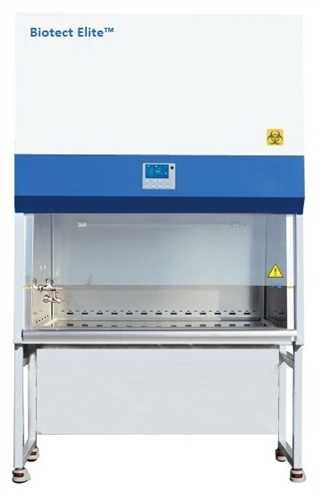
When you work with potentially hazardous biological materials, your safety strategy should begin with the right containment equipment. A well-selected cabinet can help reduce exposure risks, protect your samples from contamination, and support safer laboratory procedures. However, choosing equipment based only on size or price can leave important safety requirements unaddressed. By understanding your application, containment needs, airflow requirements, and laboratory workflow, you can make a more informed decision.
Understand What a Biological Safety Cabinet Does
A Biological Safety Cabinet (BSC) is designed to provide a controlled workspace for procedures involving biological materials that may present contamination or exposure concerns. Depending on the cabinet type, protection can be provided for the laboratory worker, the work product, or the surrounding environment.
Before selecting a cabinet, identify what you need to protect. Your requirements may include:
- Personnel protection
- Product or sample protection
- Environmental protection
- Aerosol containment
- Reduced cross-contamination
- Controlled airflow
This initial assessment helps you avoid selecting a cabinet that does not match your laboratory procedures.
Choose the Appropriate Cabinet Class
Not every biological safety cabinet provides the same type of protection. Common BSC classifications include Class I, Class II, and Class III, with different airflow and containment characteristics.
For many routine microbiological and cell culture applications, Class II cabinets are commonly considered because they can provide personnel, environmental, and product protection when properly selected and operated.
Your application should determine the cabinet class—not the other way around. Consider the organisms or materials handled, procedures performed, required containment level, and applicable laboratory protocols before making a purchase.
Evaluate Airflow and Filtration
Airflow is one of the most important factors affecting cabinet performance. A properly designed airflow system helps control potentially contaminated aerosols while maintaining an appropriate work environment.
HEPA filtration is commonly used in BSCs to remove very small airborne particles from the airflow. However, filtration alone does not guarantee safe operation. Cabinet performance also depends on airflow design, installation, certification, maintenance, and correct operating practices.
When comparing cabinets, review airflow specifications and understand how air moves through the work zone. You should also consider whether the cabinet’s airflow characteristics are appropriate for your laboratory layout.
Match Cabinet Size to Your Workflow
A cabinet that is too small can make laboratory work uncomfortable and difficult. One that is unnecessarily large can consume valuable floor space and may not fit your facility efficiently.
Start by measuring your available space. Then consider:
- Number and size of items placed inside the cabinet
- Typical number of operators
- Required working width
- Equipment that will remain inside the workspace
- Clearance around the cabinet
- Access to electrical connections
- Future laboratory requirements
Your goal should be to create enough usable workspace without overcrowding the cabinet.
Consider Ergonomics and Operator Comfort
Safety is not limited to containment. If you regularly work inside a cabinet for extended periods, ergonomics can directly affect your laboratory workflow.
Look for features such as an appropriate working height, comfortable access, clear visibility, practical controls, and an interior configuration that allows you to organize materials efficiently.
Avoid placing unnecessary equipment inside the cabinet. Excessive clutter can interfere with airflow and make procedures more difficult. Organizing materials before beginning work can help you maintain a cleaner and more consistent workspace.
Think About Installation and Certification
Even a high-quality cabinet needs proper installation and verification. Placement can affect airflow, particularly when the cabinet is located near doors, high-traffic areas, supply vents, or other sources of air movement.
After installation, appropriate certification should verify that the cabinet operates according to applicable performance requirements. Regular certification and maintenance should also be incorporated into your laboratory safety program.
Follow the manufacturer’s instructions and your organization’s established biosafety procedures for installation, certification, cleaning, and maintenance.
Follow Proper Operating Practices
Your cabinet is only one part of your biosafety system. Good operating habits are equally important.
Before starting work, prepare the materials you need so you do not repeatedly reach in and out of the cabinet. Keep clean materials separated from potentially contaminated materials. Avoid unnecessary rapid movements that could disrupt airflow.
You should also disinfect appropriate surfaces before and after work according to your laboratory’s approved procedures. Never assume that the cabinet eliminates the need for personal protective equipment or established biosafety practices.
Select Features Based on Your Application
Different laboratories have different requirements. A research laboratory, diagnostic facility, pharmaceutical operation, and educational laboratory may use BSCs for different procedures.
When comparing options, consider:
Application: Identify the biological procedures you perform.
Containment: Determine the protection required for personnel, samples, and the environment.
Cabinet class: Select the classification appropriate for your work.
Size: Match the cabinet to your workspace and workflow.
Airflow: Review the cabinet’s airflow design and performance specifications.
Filtration: Understand the filtration system and maintenance requirements.
Ergonomics: Make sure operators can work comfortably and consistently.
Certification: Plan for installation, testing, and ongoing certification.
Taking these factors into account helps you make your selection based on actual laboratory requirements rather than specifications alone.
Maintain Your Biological Safety Cabinet
Routine maintenance is essential for maintaining reliable cabinet performance. Establish procedures for cleaning, inspection, filter maintenance, and certification based on the manufacturer’s recommendations and your facility’s requirements.
Train personnel to recognize abnormal conditions, avoid blocking airflow, and report equipment problems promptly. Keeping maintenance and certification records can also make it easier to track the cabinet’s performance over time.
If you are evaluating equipment for your facility, Global Lab Supply provides laboratory equipment and supplies to support different laboratory environments.
You can explore its selection of biological safety cabinets for laboratory containment and contamination control to compare options based on your application.
For additional product information or help identifying suitable laboratory equipment, you can Contact us today for biological safety cabinet selection assistance.
Make Biosafety a Complete Process
Choosing the right cabinet is an important step, but effective biosafety requires more than equipment. You also need appropriate laboratory procedures, operator training, personal protective equipment, proper installation, certification, cleaning, and ongoing maintenance.
Start by identifying your specific biological procedures and protection requirements. Then compare cabinet classifications, dimensions, airflow characteristics, ergonomics, and maintenance requirements. This approach can help you select a cabinet that fits your laboratory instead of forcing your workflow to fit the equipment.
Frequently Asked Questions
What is a Biological Safety Cabinet used for?
A Biological Safety Cabinet provides a controlled workspace for procedures involving biological materials and can help provide personnel, product, and environmental protection depending on its class and configuration.
How do you choose the right Biological Safety Cabinet?
Consider your biological procedures, containment requirements, cabinet class, workspace, airflow, filtration, ergonomics, installation requirements, and certification needs before selecting a model.
Why is airflow important in a Biological Safety Cabinet?
Controlled airflow helps manage potentially contaminated aerosols and supports the cabinet’s containment performance. Proper operation, installation, and certification are also essential.
Does a Biological Safety Cabinet replace personal protective equipment?
No. A BSC is part of a broader biosafety program. You should continue following your laboratory’s PPE requirements, operating procedures, training, and other applicable safety practices.
How often should a Biological Safety Cabinet be certified?
Certification requirements depend on applicable standards, regulations, facility policies, and the cabinet’s use. Follow the manufacturer’s recommendations and your organization’s certification schedule.