

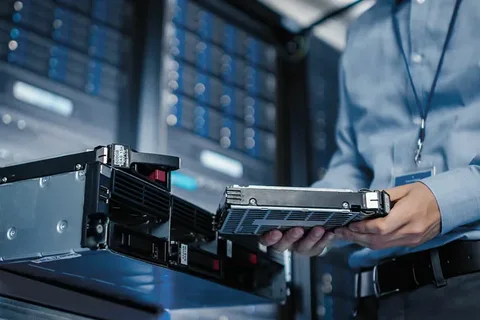
Technology upgrades often create an unexpected problem: a growing pile of equipment that no longer has a place in the new setup. Computers are replaced, servers are retired, networking devices are removed, and older peripherals are pushed into storage rooms. Over time, these items can become difficult to track and manage. Working with an experienced IT hardware buyer can help businesses turn unused equipment into a more organized asset recovery process.
The Hidden Build-Up Behind Technology Upgrades
An upgrade rarely means that every old device disappears immediately. Businesses usually replace equipment in stages to avoid disrupting daily operations. One department may receive new computers while another continues using older systems.
The removed devices are often placed in temporary storage. What begins as a few laptops or monitors can quickly become shelves filled with outdated hardware. When another upgrade takes place, the same storage area receives another batch.
This gradual accumulation makes obsolete equipment easy to overlook. Since each individual device may seem insignificant, businesses may postpone deciding what to do with the entire collection.
Replacement Cycles Create Surplus Hardware
Technology has a limited practical lifecycle. Computers become slower, operating systems stop receiving support, and newer applications may require stronger specifications. Servers and networking equipment can also be replaced when organizations expand or modernize their infrastructure.
During these cycles, businesses often end up with equipment that still has some value but no longer fits their operational requirements.
For example, a company replacing hundreds of office computers may remove devices that are several years old. Some might still function properly, while others may require repairs or contain reusable components. Treating every device as worthless can therefore result in missed recovery opportunities.
Storage Becomes A Temporary Solution
The storage room often becomes the first destination for retired equipment because it offers a simple short-term answer. Employees can move devices out of working areas without immediately deciding their final destination.
The problem is that temporary storage can easily become permanent.
Boxes may remain untouched for months. Equipment can become mixed together, making it harder to identify which items are functional, which contain sensitive information, and which are ready for recycling. As quantities increase, the organization may eventually need a dedicated process to clear the accumulated hardware with the help of an IT hardware buyer.
Old Devices Can Still Hold Useful Value
Age does not automatically mean that equipment has no value. A computer may still contain usable memory, processors, storage components, power supplies, or other parts. Networking devices may also have resale or recycling value depending on their condition and specifications.
Businesses should therefore assess retired hardware before sending everything directly for disposal.
A structured assessment can separate functional equipment from damaged units and recyclable materials. This makes the recovery process more efficient while reducing unnecessary waste.
Data Security Adds Another Layer
Retired technology can contain far more than physical components. Computers, servers, storage drives, and other devices may hold business records, employee information, customer details, credentials, or operational data. This makes disposal a security issue as well as an environmental one.
Before equipment leaves a business facility, organizations should establish clear procedures for handling stored information. Devices containing data should be identified and processed appropriately rather than being placed in a general scrap pile. Working with an experienced IT scrap buyer recycling in Dubai can also support a more organized approach to handling retired equipment.
Secure data destruction and proper documentation can help reduce the risk associated with retired technology.
Different Departments Retire Equipment Differently
Equipment accumulation can also happen because different departments follow different upgrade schedules. The finance team may replace workstations in one quarter, while the sales department upgrades laptops several months later.
Meanwhile, IT teams may replace switches, routers, servers, or other infrastructure separately.
Without centralized coordination, these activities create several small collections of retired equipment across the organization. Bringing these items together for assessment can make the recovery process easier and provide a clearer picture of the total inventory.
Business Expansion Can Multiply The Problem
Equipment accumulation is not limited to technology replacement. Office relocations, mergers, branch closures, and business expansion can also generate large quantities of surplus hardware.
A company moving to a larger office may discover equipment stored at several locations. A merger can produce duplicate computers, monitors, networking devices, and peripherals. Closing a branch may leave an entire technology setup that is no longer required.
These situations can produce sudden volumes of hardware that require sorting, valuation, collection, and responsible recycling.
Responsible Recycling Keeps Materials In Use
When equipment has reached the end of its useful life, recycling provides a better route than uncontrolled disposal. IT hardware contains materials that can potentially be recovered and processed for further use.
Responsible recycling helps reduce the amount of electronic waste entering landfills while allowing useful materials to return to manufacturing cycles.
Businesses looking for IT scrap buyer recycling in Dubai can therefore consider recycling as part of their asset disposal strategy rather than treating it as an afterthought.
Sorting Makes The Recovery Process Easier
A well-organized collection process begins with basic classification. Businesses can separate computers, laptops, servers, networking equipment, printers, monitors, storage devices, and other electronics.
Condition also matters. Functional equipment can be distinguished from damaged or incomplete units. This allows buyers and recyclers to assess the hardware more accurately.
Clear sorting also reduces unnecessary handling. Instead of repeatedly opening boxes and checking devices, businesses can create a cleaner inventory before arranging collection.
Conclusion
Equipment accumulation usually does not happen because businesses intentionally want to keep obsolete technology. It happens because upgrades are focused on getting new systems operational, while the old equipment is left for later.
That “later” can eventually become a crowded storage room filled with forgotten hardware.
Creating a defined exit process changes the situation. Devices can be identified, data can be handled securely, reusable equipment can be recovered, and unusable electronics can move into responsible recycling channels. Businesses seeking structured solutions for retired IT assets can explore services from IT Scrap Buyer to help manage the transition from outdated equipment to organized recovery with a reliable IT hardware buyer.