

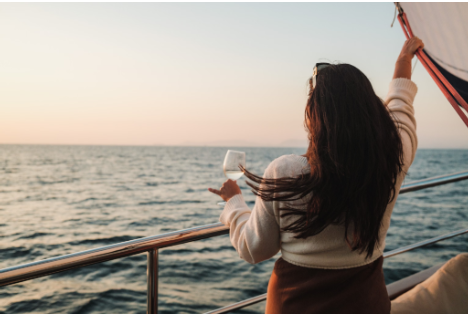
For years, luxury meant high thread count sheets and a hotel lobby that smelled like expensive candles. Today, many travelers with real budgets care about something else. They want fewer crowds, more access and a day that feels designed for them. That shift explains why luxury travel experiences increasingly revolve around time, privacy and local knowledge instead of marble bathrooms. Here is how that change plays out, and how to apply it to your own planning.
Access Beats Amenities
A great hotel room is easy to buy. A private after-hours museum tour, a table at a family-run kitchen that does not take online bookings or a morning walk through a vineyard with the person who farms it is much harder to arrange. That scarcity is what makes luxury travel experiences feel valuable. Rather than paying for a bigger suite, consider paying for the one thing nobody else on your street can book. Ask your hotel concierge or a trusted local host early, since the best requests need days or weeks of lead time, not hours. A clear request, such as “we would like a quiet morning with a local chef,” works better than a vague wish for something special.
Small Groups and Private Hours
Crowds ruin more trips than bad weather. Experiences capped at six or eight guests, private departures and early or late time slots let you hear the guide, ask questions and linger. Travelers who want inspiration can browse more luxury travel experiences before deciding where to spend. The cost per person is higher, but the quality of attention is usually the real product you are buying. Compare group sizes, guide credentials and cancellation terms before you book, not just the photos. A smaller group also adapts more easily to weather, mood and appetite, which matters on a long day.
Food and Wellness on Their Own Terms
Dining and wellness have moved to the center of high-end trips. Instead of a hotel spa package, travelers book a farm lunch cooked over open fire, a morning swim with a local coach or a guided forest walk. These plans often cost less than a full resort stay and tend to feel more personal. The common thread is participation: you cook, walk or taste alongside someone who knows the place well. Luxury travel experiences built around doing, not just being served, are usually the ones people describe years later.
Slow Itineraries With Fewer Stops
Staying four nights in one place beats visiting four cities in a week. Slow travel gives you time to find the neighborhood bakery, notice the local rhythm and recover from jet lag before the good stuff starts. It also trims the logistics that make high-end trips stressful, such as repeated transfers, packing and check-ins. When a plan feels crowded, remove one stop. Slow itineraries also make room for the unplanned: a village festival, a long lunch that runs late or a tip from a stranger. Those moments cannot be sold in advance, which is why they feel rare. Almost nobody regrets that decision, and many luxury travel experiences are better when you are rested enough to enjoy them.
Local Hosts Instead of Generic Packages
The most memorable days usually involve a person, not a property. A winemaker who pours a barrel sample, a chef who walks you through the market or a skipper who knows a quiet cove can make a destination feel specific. Look for hosts who live where they work, share their own opinions and can explain how their business operates. Independent guides often charge less than large operators for more personal time. Reviews that mention a guide by name are a useful signal, and they tell you whether the luxury travel experiences on offer rely on real expertise or just a polished brochure.
Where to Spend and Where to Save
High-end does not mean spending everywhere. Splurge on the two or three things that shape your trip, such as a standout dinner, a private guide or a well-placed hotel, and keep the rest simple. Check sustainability credentials as well. The Global Sustainable Tourism Council publishes recognized criteria that hotels and tour operators can be measured against, which helps you separate real commitments from marketing language. Remember that luxury travel experiences do not have to be expensive to be thoughtful: a private cooking class in a host’s kitchen can cost less than a night in a prestige hotel. Consider shoulder seasons too, when rates drop and service often improves because staff are less rushed. Smart budgeting is part of what makes luxury travel experiences sustainable for you, not just for the destination.
Conclusion
Luxury travel experiences are shifting from objects to access. Prioritize time, small groups and local hosts, and be willing to say no to extra stops. With a clear sense of what matters most, your trip can feel generous without feeling excessive.