

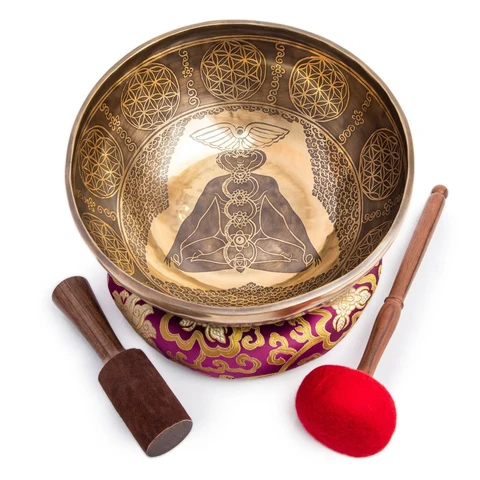
High in the Himalayan region, craftsmanship has long been connected with daily life, spiritual practices, and community traditions. Long before handmade goods reached international markets, local artisans were shaping metal, weaving fabric, carving wood, and creating objects that carried cultural meaning from one generation to another. A Himalayan singing bowl is one example of this living heritage, combining skilled workmanship with traditions surrounding sound, meditation, and mindful practices.
The Roots of Himalayan Craftsmanship
Himalayan craftsmanship developed across communities where handmade objects often served practical, cultural, or spiritual purposes. The region includes diverse traditions influenced by Tibetan Buddhism, Nepalese culture, and local mountain communities.
Artisans traditionally learned their skills through observation and practice rather than formal industrial training. Techniques were passed from experienced craftspeople to younger generations, allowing knowledge about materials, tools, patterns, and finishing methods to remain within families and communities.
This approach gave handmade objects a character that mass production cannot easily reproduce. Small variations in shape, texture, and finish can reflect the individual work of the artisan.
Metalwork And The Making of Singing Bowls
Metal craftsmanship holds an important place in Himalayan traditions. Singing bowls are among the best-known examples, with their production involving careful shaping, heating, hammering, and finishing.
Traditional bowls may require repeated work to achieve the desired thickness and form. The final sound depends on several physical characteristics, including the bowl’s dimensions, material, shape, and construction.
The appeal of a singing bowl therefore extends beyond its appearance. Each piece represents a combination of material knowledge and practical craftsmanship. When struck or played with a mallet, the bowl produces tones that are often incorporated into meditation, relaxation, yoga, and other contemplative practices.
Tibetan Influence On Himalayan Traditions
Tibetan cultural traditions have had a strong influence on many Himalayan artistic practices. Religious art, meditation objects, ritual instruments, textiles, and decorative pieces have developed within a cultural environment where craftsmanship and spirituality often intersect.
Tibetan singing bowls became especially associated with meditation and contemplative practices. Their use today may extend beyond traditional settings, but their cultural background remains an important part of understanding why these objects continue to attract interest.
This connection also explains why many modern buyers look beyond appearance. They want to understand the history, symbolism, and craftsmanship associated with the objects they bring into their homes or practice spaces.
The Cultural Meaning of Prayer Flags
Textile traditions offer another window into Himalayan heritage. Prayer flags online are now accessible to buyers around the world, but the tradition behind them comes from a much older cultural practice.
Prayer flags are traditionally displayed in places where wind can move through them. Their colors, symbols, written prayers, and imagery are connected with Tibetan Buddhist traditions. Rather than functioning simply as decorative fabric, they represent intentions associated with compassion, peace, wisdom, and well-being.
The movement of the flags in the wind is also an important part of their visual character. As the fabric gradually weathers outdoors, the changing appearance can become part of the traditional experience.
Colors And Symbols Carry Meaning
Himalayan crafts often communicate ideas through colors and visual symbols. In Tibetan Buddhist traditions, colors can have specific associations, while religious imagery may represent particular qualities or teachings.
This makes decorative objects more interesting when their background is understood. A pattern is no longer simply an attractive design; it can become a reference to a wider cultural tradition.
For modern buyers, learning about these meanings can encourage more thoughtful use of traditional crafts. A prayer flag display, for example, can be appreciated not only for its bright colors but also for the cultural context behind its design.
Craft Knowledge Passed Through Generations
One of the most valuable aspects of Himalayan craftsmanship is the transmission of knowledge. Traditional skills survive when younger artisans learn directly from people who have practiced them for many years.
This type of learning includes more than copying a finished product. Artisans may learn how different metals respond to heat, how much pressure is required during shaping, how textiles should be prepared, or how traditional patterns are arranged.
Such knowledge is difficult to capture completely in written instructions. It develops through repeated practice and close observation, much like the detailed craft behind Tibetan singing bowls online. That makes every handmade product part of a larger chain of cultural knowledge.
Handmade Work In A Modern Market
The global interest in Himalayan crafts has created new opportunities for traditional artisans. Products that were once primarily used within local communities can now reach people interested in meditation, interior décor, cultural traditions, and handmade goods.
At the same time, modern buyers increasingly want transparency about how products are made. They may look for information about materials, craftsmanship, origins, and traditional methods before making a purchase.
This interest can help keep traditional techniques commercially relevant. When responsibly presented, heritage crafts can find a place in contemporary homes without losing the cultural story connected to them.
Choosing Authentic Traditional Crafts
Understanding craftsmanship can make the buying process more meaningful. Instead of judging an item only by its appearance, buyers can consider how it was produced and whether the description provides useful information about its origin and construction.
For Tibetan singing bowls online, details such as dimensions, material, finish, and intended use can help buyers make a more informed decision. A buyer interested in sound practices may also want to understand how the bowl is played and what kind of sound characteristics to expect.
The same principle applies to textiles and decorative objects. Knowing the cultural background can help people distinguish between an item inspired by Himalayan aesthetics and one connected more closely to traditional craftsmanship.
Conclusion
The heritage behind Himalayan craftsmanship is found in the connection between skilled hands, natural materials, cultural traditions, and knowledge passed across generations. From carefully shaped metal bowls to colorful prayer flags, these objects carry stories that extend beyond their physical appearance.
Exploring such traditions can make handmade products more meaningful while encouraging greater appreciation for the people and skills behind them. For those looking to discover traditionally inspired Himalayan crafts, Himalayan Bazaar offers a way to explore pieces connected with this rich artistic heritage.