

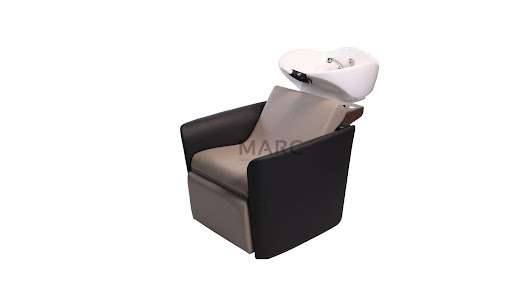
A salon’s efficiency often depends on what clients never notice: the distance between workstations, the comfort of the washing area, and how easily stylists move between services. Poorly planned furniture can slow appointments, interrupt workflows, and make even a spacious salon feel crowded.
Creating a professional environment requires more than attractive interiors. Owners must consider hygiene, durability, staff movement, client comfort, and long-term operating costs. Working with a manufacturer of shampoo station solutions can help salon businesses plan washing areas that complement their services and support a more organised customer experience.
Designing a Shampoo Area Around Daily Salon Operations
The shampoo area influences appointment flow, staff efficiency, and client comfort. Thoughtful furniture selection helps salons maintain smooth transitions between washing, treatment, and styling.
1. Planning an Efficient Layout for Hair Washing
A washing station should fit naturally into the salon’s overall layout. Clients need easy access, while stylists need enough room to move, handle products, and assist customers safely. Placing washing units too close together can create congestion, particularly during peak hours.
- Allow movement: Maintain practical clearance around chairs and working areas.
- Separate activities: Position washing facilities to minimise interference with cutting and styling stations.
- Consider plumbing: Plan water connections and drainage before finalising furniture placement.
A well-organised layout helps staff work efficiently without compromising the client’s experience.
2. Prioritising Comfort During Shampoo Services
Hair washing can be relaxing or uncomfortable depending on the chair design, basin position, neck support, and reclining arrangement. Poor positioning may place pressure on the client’s neck, while awkward access can make the stylist’s work more demanding. Comfort should therefore be a functional requirement, not merely an aesthetic consideration.
- Assess seating: Look for supportive seating and suitable reclining arrangements.
- Check basin positioning: Ensure the design supports practical access during washing.
- Evaluate usability: Consider different client needs and treatment duration.
Comfortable furniture contributes to a more professional service experience and encourages clients to feel at ease.
3. Selecting Materials That Support Hygiene and Durability
Salon furniture faces frequent contact with water, shampoos, conditioners, dyes, and cleaning products. Materials that deteriorate quickly can affect appearance, increase maintenance costs, and make cleaning more difficult. Business owners should assess surface finishes, upholstery, fittings, and the manufacturer’s care recommendations before purchasing equipment.
- Choose easy-care surfaces: Prioritise materials that clean easily.
- Check construction: Assess fittings and components for suitability for regular commercial use.
- Plan maintenance: Understand cleaning requirements and replacement considerations.
Durable, practical materials help preserve the salon’s appearance while supporting daily hygiene routines.
Matching Shampoo Station Furniture With Business Requirements
Every salon has different operational demands. A high-volume salon may prioritise speed and durability, while a boutique studio may focus on privacy and a more personalised atmosphere. An experienced manufacturer of shampoo station furniture can help businesses assess design options based on available space, service mix, and workflow requirements.
1. Choosing a Shampoo Station for Salon Efficiency
Selecting a suitable shampoo station for salon operations involves balancing functionality, available space, and the services offered. Furniture should support regular use without creating unnecessary movement or making cleaning difficult. Before finalising the layout, owners should assess how washing facilities connect to treatment areas and styling stations.
- Match operational needs: Consider appointment volume and the types of hair services provided.
- Review dimensions: Confirm that furniture fits the planned layout and access routes.
- Assess functionality: Examine basin access, chair adjustment, and practical working space.
A carefully selected station can improve workflow and help staff maintain consistent service standards throughout busy periods.
2. Coordinating Furniture With the Salon’s Interior Design
Furniture contributes to the salon’s visual identity. Colours, finishes, proportions, and upholstery should complement reception areas, mirrors, styling chairs, and lighting. However, visual consistency should not come at the expense of comfort, hygiene, or practical use.
- Maintain a coherent palette: Coordinate furniture finishes with the wider interior.
- Balance appearance and function: Avoid designs that restrict movement or complicate cleaning.
- Plan the client journey: Create a consistent experience from reception through washing and styling.
A coordinated interior communicates professionalism while making the environment more inviting for clients and staff.
3. Evaluating Supplier Support and Customisation Options
Furniture decisions should account for more than the initial purchase price. Salon owners also need to understand product specifications, delivery arrangements, installation requirements, and after-sales support. Where customisation is available, confirm dimensions and design choices against the actual site conditions.
- Clarify specifications: Review dimensions, materials, features, and installation needs.
- Confirm service arrangements: Understand delivery timelines and support responsibilities.
- Compare overall value: Consider durability, maintenance, and expected operating demands.
Clear communication with a supplier helps reduce misunderstandings and supports a smoother purchasing process.
Building a Professional Salon With Long-Term Value
A well-equipped salon needs furniture that performs reliably throughout repeated daily use. Owners should consider how equipment supports staff productivity, client comfort, hygiene, and future business growth. Reviewing these requirements before purchasing can help prevent costly replacements and disruptive layout changes. Choosing the right shampoo station for salon operations also helps maintain an efficient washing area, giving staff a practical setup for delivering comfortable, consistent services.
For businesses expanding their services or opening a new location, it helps to assess furniture as part of the overall operational plan. Washing units, styling stations, storage, and circulation space should work together rather than being selected independently. This approach creates a more consistent environment and helps salon teams deliver services with fewer avoidable interruptions.
Conclusion
An efficient salon begins with practical decisions that connect furniture design with daily operations. Comfortable washing stations, durable materials, well-planned layouts, and suitable supplier support can improve the client experience while helping staff work effectively. Each choice contributes to an environment that feels professional and remains functional as business needs evolve.
For salon owners exploring hair salon furniture in Gurgaon, choosing the right commercial furniture is an important step toward building an efficient workspace. MARC Salon Furniture offers options to consider for professional salon requirements. They provide furniture solutions designed for professional environments, with product selection guided by operational needs and available specifications. Businesses can discuss their space, service requirements, and relevant customisation options before deciding to purchase. Whether establishing a new salon or upgrading an existing one, investing in suitable furniture helps create a cohesive space where washing, treatment, and styling work together efficiently.