

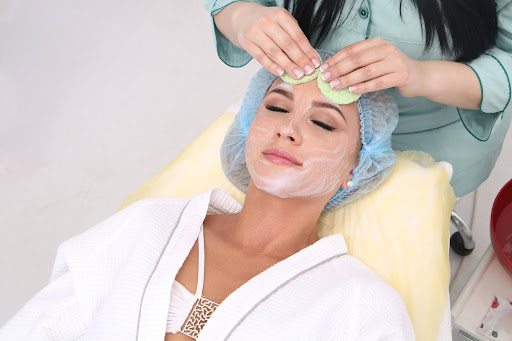
Skin can look dull even when you follow a regular cleansing routine. A long day, excess oil, dry patches, and accumulated impurities can leave your face feeling tired, making it difficult to know what kind of care it actually needs.
Professional facial care offers more than a refreshing experience. It can help address specific skin concerns through cleansing, exfoliation, extraction when appropriate, and moisturising. Understanding the purpose of a facial clean up helps you choose treatments according to your skin type, comfort, and personal goals rather than following every beauty trend.
Understanding Professional Facial Care for Healthier Skin
Professional facial services combine different steps to support skin cleanliness, comfort, and hydration. The appropriate approach depends on individual concerns, sensitivity, and the condition of the skin.
Identifying Your Skin Type Before Treatment
Knowing your skin type provides a useful starting point for choosing a facial. Oily, dry, combination, and sensitive skin can respond differently to cleansing products and exfoliation methods, so a treatment should suit your needs rather than follow a fixed routine.
- Oily skin: Gentle cleansing can remove excess surface oil without leaving the skin feeling tight or stripped.
- Dry skin: Cream-based cleansers and moisturising products can support softness and reduce uncomfortable dryness.
- Combination skin: A balanced approach can address oiliness in some areas while protecting drier patches.
- Sensitive skin: Mild products and careful techniques may help minimise irritation and discomfort.
Skin conditions can overlap, and your skin may change with weather, hormones, or medication. Tell your skincare professional about known sensitivities before beginning.
Exploring Facial Clean Up Benefits Through Professional Care
A professional facial clean up generally focuses on removing surface impurities and improving the skin’s immediate feel and appearance. The exact steps vary according to the service, products used, and your skin’s condition.
1. Starting With Cleansing and Gentle Exfoliation
Cleansing removes makeup, sweat, sunscreen residue, and everyday grime from the skin’s surface. Exfoliation may then help loosen dead skin cells, leaving the face feeling smoother when the method is appropriate.
- Remove surface impurities: A suitable cleanser helps prepare the skin for the remaining treatment steps.
- Choose gentle exfoliation: Products or techniques should match your skin’s tolerance and avoid excessive friction.
- Avoid over-cleansing: Repeated harsh cleansing can disrupt the skin barrier and contribute to dryness or irritation.
- Adjust the approach: Active breakouts, sensitivity, or damaged skin may require avoiding certain exfoliation methods.
Professional guidance matters because stronger treatment does not automatically mean better results. A comfortable, carefully selected routine is generally more useful than aggressive scrubbing.
2. Managing Congestion With Appropriate Techniques
Clogged pores and visible blackheads can make skin appear uneven. Some professional services include extraction, but this step should only be performed when appropriate and with hygienic techniques.
- Assess the skin first: A professional should consider inflammation, sensitivity, and the type of congestion present.
- Avoid forceful extraction: Squeezing blemishes at home can increase irritation and may cause scarring.
- Maintain hygiene: Clean tools and appropriate handling reduce avoidable contamination risks.
- Recognise treatment limits: Persistent acne may require assessment by a qualified dermatologist rather than repeated cosmetic extractions.
Not every face needs extraction. When the skin is inflamed or easily irritated, a gentler approach may be more suitable.
Supporting Skin Hydration With Targeted Facial Treatments
Cleansing is only one part of facial care. Maintaining hydration helps the skin feel comfortable and supports its natural protective barrier.
1. Replenishing Moisture After Cleansing
Skin may feel dry or tight after cleansing, especially when products remove too much natural oil. Hydrating ingredients can help attract or retain water, while moisturisers support softness and reduce moisture loss.
- Use humectants: Ingredients such as glycerin and hyaluronic acid help attract water to the skin.
- Apply moisturiser: Suitable creams or lotions help reduce moisture loss and improve comfort.
- Consider the climate: Lightweight textures may feel comfortable in humid weather, while richer formulas can suit drier conditions.
- Protect the skin barrier: Avoid combining multiple strong exfoliating products when the skin already feels irritated.
Hydration needs vary between individuals. Oily skin can also become dehydrated, so choosing moisturising products should depend on how your skin feels rather than oiliness alone.
2. Choosing Ingredients That Match Your Concerns
Facial products often contain ingredients designed for different purposes. Understanding their functions can help you discuss suitable options with a skincare professional and avoid unnecessary combinations.
- For dryness: Glycerin, hyaluronic acid, and ceramides can support moisture and skin-barrier function.
- For uneven texture: Carefully selected exfoliating ingredients may improve surface smoothness over time.
- For excess oil: Lightweight, non-comedogenic products may help moisturise without feeling heavy.
- For sensitive skin: Fragrance-free formulas and fewer active ingredients may reduce the likelihood of irritation.
Ingredient suitability depends on concentration, formulation, and personal tolerance. Introduce new products cautiously, particularly if you already use prescription skincare or experience persistent redness.
Maintaining Facial Results With Consistent Daily Habits
A professional facial can leave skin feeling refreshed, but consistent daily care helps maintain its comfort and appearance between appointments. Follow your skincare professional’s aftercare advice, particularly after exfoliation or extraction, and avoid introducing several new products immediately. Use a gentle cleanser, apply a suitable moisturiser, and protect exposed skin with broad-spectrum SPF 30 or higher.
Avoid vigorous scrubbing, excessively hot water, and harsh exfoliants when your skin feels tender or irritated. A simple, consistent routine can support the skin barrier and reduce unnecessary irritation. If significant redness, burning, or swelling develops, seek appropriate professional advice.
Conclusion
The best facial treatment is one that matches your skin’s needs, uses appropriate techniques, and prioritises comfort over dramatic promises. Understanding the available services can help you choose the best facial treatment for your concerns while supporting long-term skin health through a consistent skincare routine.
Choosing professional care that suits your skin type can make each appointment more comfortable and help you maintain realistic expectations between treatments. FLAUNT Beauty Lounge offers facial care services designed to address different skincare needs and preferences. Their team can guide you in discussing your concerns, understanding treatment steps, and selecting suitable options. Before booking, share any sensitivities and ask about aftercare.