

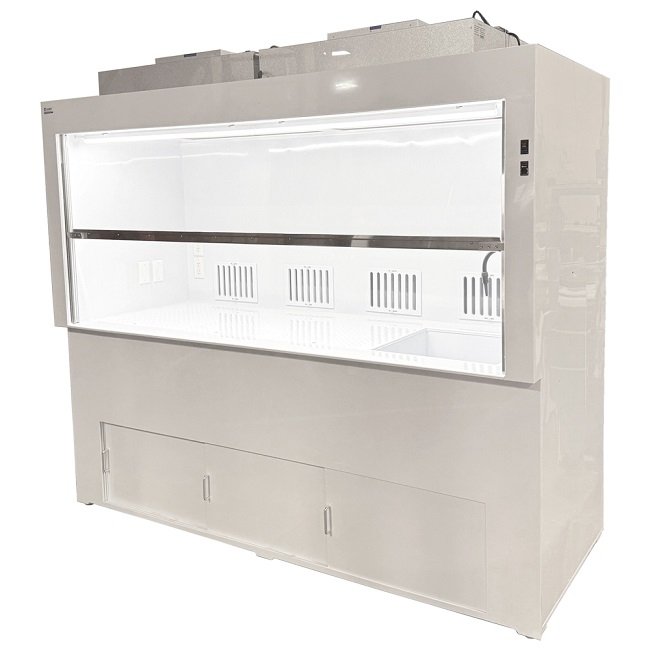
A well-maintained laboratory workspace plays a critical role in achieving consistent results, protecting sensitive processes, and improving operational efficiency. When you rely on a wet processing station for chemical handling, cleaning, etching, or semiconductor-related applications, regular maintenance ensures safe performance and extends equipment life. By following proper care practices, you can prevent contamination, reduce downtime, and keep your workspace ready for demanding laboratory tasks.
A wet bench requires attention to several components, including ventilation systems, work surfaces, plumbing connections, filtration systems, and safety features. Whether you operate in research, manufacturing, or industrial environments, understanding maintenance requirements helps you maximize your investment and maintain a reliable workflow.
Why Is Regular Wet Bench Maintenance Important?
Your wet bench is designed to support controlled processes involving liquids, chemicals, and sensitive materials. Over time, chemical residues, moisture exposure, and daily usage can affect performance if maintenance is neglected.
Regular maintenance helps you:
- Prevent chemical buildup and surface damage
- Maintain proper airflow and ventilation efficiency
- Reduce contamination risks
- Improve operator safety
- Extend equipment lifespan
- Avoid unexpected repair costs
A proactive maintenance routine allows you to identify small issues before they become major operational problems.
How Should You Clean Your Wet Bench Regularly?
Cleaning is one of the most important steps in maintaining long-term performance. After each operation, you should remove chemical residues, spills, and debris from the work area. Allowing contaminants to accumulate can impact process quality and damage equipment surfaces.
Follow these cleaning practices:
- Use cleaning agents compatible with your bench materials.
- Avoid abrasive tools that may scratch surfaces.
- Clean drainage areas to prevent blockages.
- Inspect corners and hard-to-reach areas where residues may collect.
- Remove spilled chemicals immediately according to safety procedures.
For reliable performance in demanding environments, choosing a properly designed wet bench system for laboratory chemical processing applications helps ensure durability, safety, and efficient workflow management.
How Can You Maintain Proper Airflow Performance?
Many wet benches include ventilation systems designed to control chemical vapors and maintain a safer working environment. Reduced airflow can affect process quality and increase exposure risks.
To maintain airflow efficiency:
- Check exhaust connections regularly.
- Inspect filters and replace them when required.
- Keep ventilation openings free from obstruction.
- Monitor airflow indicators if available.
- Schedule professional inspections for ventilation components.
Consistent airflow performance is essential when working with chemicals, solvents, or sensitive materials that require controlled conditions.
How Do You Inspect Plumbing and Drainage Systems?
A wet bench depends on reliable water supply and drainage systems for effective operation. Leaks, clogged drains, or damaged connections can interrupt workflows and create safety concerns.
During routine inspections, check:
- Water supply lines for leaks
- Drain pipes for blockages
- Valves and fittings for proper operation
- Chemical-resistant tubing for signs of wear
- Drainage flow after processing activities
Early detection of plumbing issues prevents water damage and reduces costly equipment downtime.
How Can You Protect the Work Surface?
The work surface of your wet bench experiences frequent exposure to chemicals, liquids, and materials. Proper protection helps maintain structural integrity and prevents premature replacement.
To protect the surface:
- Use chemical-compatible containers and accessories.
- Avoid leaving corrosive substances unattended.
- Clean spills immediately.
- Follow recommended load limits.
- Inspect surfaces regularly for cracks or damage.
A durable surface allows you to maintain consistent processing conditions and supports long-term laboratory productivity.
What Role Does Preventive Maintenance Play?
Preventive maintenance is more effective than waiting for equipment failure. Creating a scheduled maintenance plan allows you to monitor performance and address potential problems early.
Your maintenance checklist should include:
- Daily cleaning and inspection
- Weekly airflow checks
- Monthly plumbing inspections
- Periodic filter replacement
- Professional servicing when needed
Documenting maintenance activities also helps you track equipment condition and maintain compliance with laboratory safety practices.
How Can You Improve Wet Bench Longevity?
Extending the life of your equipment requires proper operation habits along with routine maintenance. Training users on correct procedures can significantly reduce accidental damage and improve reliability.
Best practices include:
- Train operators on safe chemical handling.
- Follow manufacturer guidelines.
- Use appropriate protective equipment.
- Avoid unauthorized modifications.
- Keep maintenance records updated.
When you combine proper usage with regular inspections, your wet bench can deliver dependable performance for years.
Choosing Reliable Laboratory Equipment for Better Performance
The quality of your equipment directly influences maintenance requirements and operational reliability. Investing in well-designed laboratory solutions helps you achieve better safety, efficiency, and process control.
CleaTech LLC provides advanced laboratory and cleanroom solutions designed for research facilities, manufacturing environments, and specialized applications. Explore reliable equipment options from CleaTech LLC for laboratory and cleanroom processing solutions to support your long-term operational goals.
If you need guidance selecting the right configuration, maintenance support, or customized laboratory solutions, you can Contact us today for expert assistance with your laboratory equipment needs.
Frequently Asked Questions
How often should you maintain a wet bench?
You should perform daily cleaning, routine inspections, and scheduled preventive maintenance based on usage intensity. Regular checks help identify issues early and maintain reliable performance.
What should you check during wet bench maintenance?
You should inspect airflow systems, drainage connections, chemical-resistant surfaces, plumbing components, and safety features to ensure efficient and safe operation.
How can you prevent contamination in a wet bench?
Clean surfaces regularly, remove chemical residues quickly, use proper storage methods, and follow controlled handling procedures to minimize contamination risks.
Why is airflow important in wet bench operation?
Proper airflow helps control chemical vapors, supports safer working conditions, and maintains consistent processing environments for sensitive laboratory applications.
Can regular maintenance extend wet bench lifespan?
Yes. Preventive maintenance reduces wear, prevents equipment failures, and helps your wet bench maintain reliable performance over a longer operational period.