

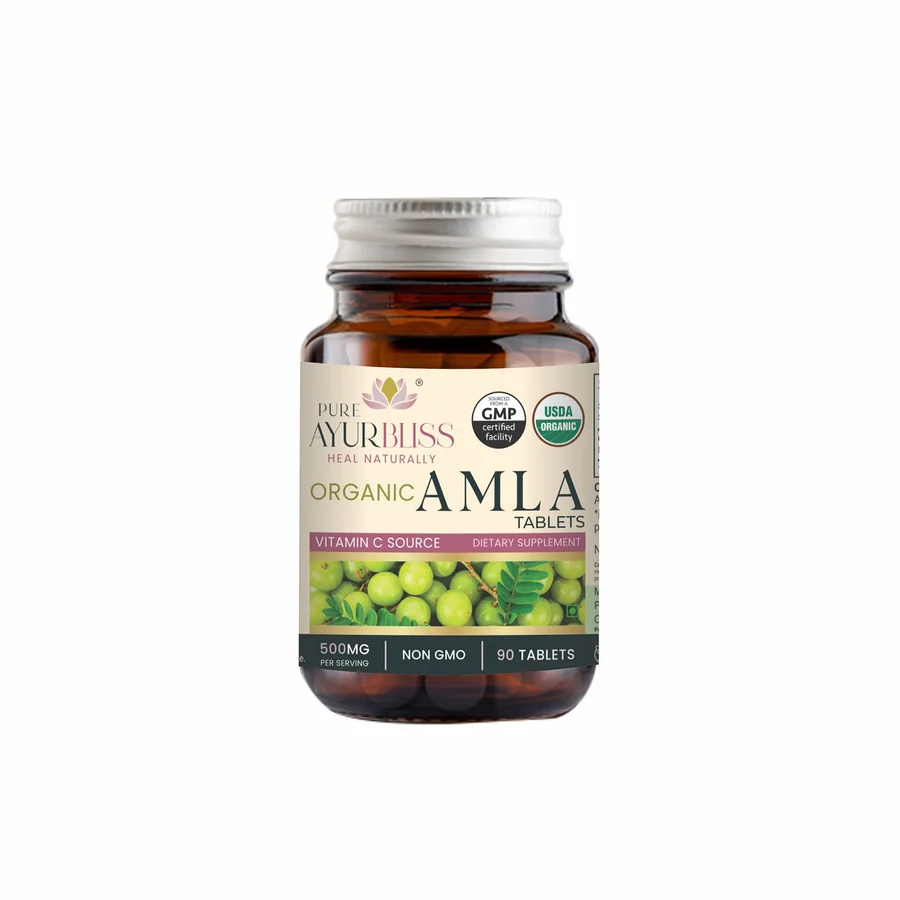
Maintaining healthy hair and overall wellbeing often begins with everyday habits. A balanced diet, adequate sleep, regular physical activity and a consistent personal care routine can all contribute to feeling healthier over time. While no single food or supplement can replace these foundations, plant-based ingredients have long been included in traditional wellness practices and continue to attract interest among people looking for ways to support their daily routines.
Amla, also known as Indian gooseberry, is one such ingredient valued in traditional Indian systems of wellness. It contains vitamin C and other naturally occurring plant compounds, making it a popular addition to dietary products. Understanding amla tablets uses can help consumers distinguish traditional applications from evidence-based benefits and make more informed choices about including supplements in their routine.
Understanding the Nutritional Value of Amla
Amla is a fruit traditionally used in Indian food and wellness practices. It contains vitamin C, dietary fibre and various plant compounds, including polyphenols. Its nutritional composition has contributed to its longstanding reputation as an ingredient in traditional preparations. However, the nutrient content of a finished product can vary according to the processing method, formulation and storage conditions.
Fresh amla can be consumed as part of a varied diet, while tablets offer a convenient alternative for people who prefer a measured supplement format. Neither form should be considered a substitute for a balanced diet. Consumers should review product labels to understand the ingredients, serving instructions and nutritional information rather than assuming every amla supplement provides identical amounts of nutrients.
Amla and Everyday Hair Care
Hair health is influenced by several factors, including genetics, nutrition, hormonal changes, scalp conditions and general health. Adequate intake of essential nutrients supports normal body functions, including those involved in maintaining healthy hair. However, hair thinning or excessive shedding can have multiple causes, and taking a supplement without understanding the underlying issue may not address the problem.
Some consumers explore organic amla tablets for hair as part of a broader wellness routine because amla is associated with traditional hair care practices. It is important to distinguish traditional use from proven clinical outcomes. Evidence that a specific amla supplement reliably promotes hair growth or prevents hair loss remains limited. A balanced diet, gentle hair care and professional assessment of persistent hair concerns are more dependable starting points.
The Importance of Nutrition for Hair Strength
Hair follicles rely on a steady supply of nutrients to support normal growth cycles. Insufficient intake of protein, iron and certain vitamins or minerals may contribute to hair problems in some individuals. Eating a varied diet that includes suitable sources of protein, vegetables, fruits, whole grains and other nutrient-rich foods can help meet general nutritional requirements.
Supplements may be useful when a genuine nutritional gap has been identified, but taking more nutrients than the body needs does not necessarily improve hair health. Excessive intake of certain vitamins and minerals can also be harmful. Anyone experiencing sudden hair loss, scalp inflammation or persistent thinning should consider seeking advice from a qualified healthcare professional instead of relying solely on herbal products.
Exploring Ashwagandha in Traditional Wellness
Ashwagandha is another plant used in traditional Ayurvedic practices. Its root has commonly been included in preparations intended to support general wellbeing. Today, it is available in several forms, including powders, capsules and extracts. These products may differ considerably in concentration and composition, so consumers should not assume that different formulations have equivalent effects.
Ashwagandha root powder is commonly mixed with food or beverages according to the product’s directions. Some research has explored particular ashwagandha preparations in relation to stress and sleep, but findings from one standardised extract cannot automatically be applied to every root powder product. Evidence varies by preparation and intended use, and broader health claims should be treated cautiously.
Building a Balanced Wellness Routine
Plant-based supplements are best considered within the context of daily habits rather than as standalone solutions. Regular meals, adequate hydration, sufficient sleep and manageable physical activity provide a foundation for general health. Hair care also benefits from avoiding excessive heat styling, limiting harsh chemical treatments and handling wet hair gently to reduce breakage.
Stress management may also be relevant to wellbeing. Relaxation practices, regular movement and a consistent sleep schedule can support healthier routines. Although some herbal ingredients are marketed for stress-related concerns, they should not replace professional support when symptoms are persistent or interfere with daily life. A balanced approach considers both lifestyle factors and individual health needs.
Choosing Herbal Supplements Carefully
Consumers should assess herbal products by checking the ingredient list, recommended serving, manufacturer information and quality assurance practices. Labels should clearly identify the ingredients and provide instructions for use. It is also worth checking whether the product contains additional herbs, fillers or other active ingredients that could affect suitability.
The word “natural” does not automatically mean that a supplement is safe for everyone. Amla and ashwagandha products may not be appropriate for every individual, particularly those who are pregnant or breastfeeding, have existing medical conditions or take regular medication. Ashwagandha may interact with certain medicines and has been associated with rare cases of liver injury. People in these groups should consult a qualified healthcare professional before using herbal supplements.
Understanding Expectations and Limitations
Wellness products are often promoted with broad promises about hair growth, energy or general vitality. Consumers should evaluate these claims carefully and look for reliable evidence relevant to the specific ingredient, formulation and intended outcome. Traditional use can provide useful cultural context, but it does not establish that every modern supplement has been clinically proven to deliver the same benefits.
Results can also vary depending on diet, health status, product formulation and the reason a supplement is being considered. Maintaining realistic expectations helps prevent unnecessary spending and reduces the risk of overlooking an underlying health concern. If a product causes an unexpected reaction, use should be stopped and appropriate medical advice sought.
Conclusion
Supporting hair health and everyday wellbeing requires a thoughtful combination of nutrition, personal care and sustainable lifestyle habits. Amla and ashwagandha have important places in traditional wellness practices, but their modern supplement forms should be selected carefully and used with an understanding of the available evidence and potential limitations.
For those exploring plant-based wellness products, Pure Ayurbliss is one brand to consider when researching available options. Reviewing product ingredients, following label directions and consulting a qualified professional when necessary can help consumers make informed decisions that fit their individual needs.