

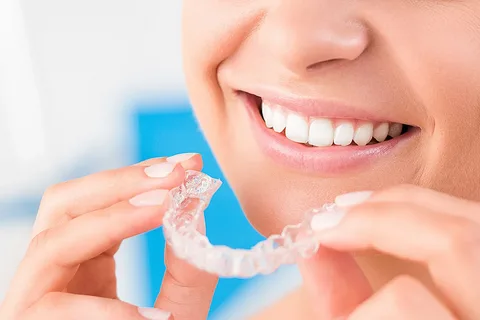
Crowded or crooked teeth can affect your smile, confidence, and ability to maintain good oral hygiene. When teeth overlap or twist, brushing and flossing between them may become challenging, allowing plaque to accumulate in difficult-to-reach areas. Clear aligners offer a discreet approach to gradually improving tooth alignment without traditional metal brackets and wires.
For individuals considering aligners in Singapore, understanding how these transparent trays work, which alignment concerns they can address, and what daily care involves can help them make informed decisions about their orthodontic treatment and long-term dental health.
Understanding Crowded and Crooked Teeth
Crowding happens when there is not enough room in the dental arch for teeth to sit neatly. They may overlap, rotate, or emerge at unusual angles. Crooked teeth can also develop when individual teeth tilt or shift away from their ideal positions. These concerns may be influenced by jaw size, tooth size, genetics, childhood habits, or changes that occur after earlier orthodontic treatment.
The effects vary from person to person. Certain alignment problems can also affect how upper and lower teeth meet when biting. An orthodontic assessment helps identify the cause and determine whether aligners are suitable.
What Are Invisalign Aligners?
Invisalign treatment uses a planned series of transparent, removable trays designed to fit closely over the teeth. Each tray applies gentle, controlled pressure to selected teeth. As treatment progresses, patients change to the next tray according to their orthodontist’s instructions, gradually moving teeth towards their planned positions.
The trays are made for the individual rather than chosen from a standard size range. The expected result and treatment duration depend on the complexity of the case, the response of the teeth, and how consistently the aligners are worn.
How Aligners Address Crowding
When teeth overlap, an orthodontist first assesses how much space is available and how the teeth need to move. A customized plan may guide certain teeth into more appropriate positions, helping reduce overlap and improve the arrangement of the dental arch. In some cases, small adjustments to tooth surfaces or other procedures may be considered to create space. These decisions require professional assessment and are not necessary for every patient.
The orthodontist monitors progress to check whether the teeth are tracking as expected and whether refinements are needed.
Correcting Crooked and Rotated Teeth
A tooth that twists or tilts can affect the overall shape of a smile. Carefully planned aligner movements can help rotate or reposition some teeth, improving their relationship with neighboring teeth. Small attachments may sometimes be bonded to selected teeth to help the trays grip and deliver the intended force.
Not every movement is equally predictable. Severe rotations, complex bite problems, or substantial tooth movements may be managed more effectively with fixed braces or a combination of orthodontic methods. An honest consultation should explain the likely benefits, limitations, alternatives, and expected commitment before treatment begins.
Why Consistent Wear Matters
Removable aligners offer flexibility, but that flexibility comes with responsibility. Patients are commonly advised to wear their trays for around 20 to 22 hours each day, removing them for meals, drinks other than water, and oral hygiene. Follow the exact schedule given by your treating orthodontist, including when to change to the next set.
Leaving trays out for long periods can interrupt the planned movement and may affect how the next aligner fits. If a tray feels unusually tight, becomes damaged, or no longer fits properly, contact the clinic for guidance rather than forcing it into place or changing the schedule independently.
Everyday Benefits for Oral Hygiene
Because aligners can be removed, brushing and flossing are generally easier than cleaning around fixed brackets and wires. This can help patients maintain their regular oral hygiene routine throughout treatment. Brush twice daily with fluoride toothpaste, clean between teeth every day, and follow professional advice about dental check-ups and cleaning.
Remove the trays before eating, and avoid sugary or coloured drinks while wearing them. Before reinserting aligners, clean your teeth when possible to reduce the chance of trapping food and plaque against the enamel.
What to Expect During Treatment
Treatment begins with a consultation and examination of tooth alignment, bite, and oral health. The orthodontist discusses your concerns, checks whether clear aligners are appropriate, and explains other options. If treatment proceeds, scans or impressions are used to plan the series of trays. You will receive instructions on wear, cleaning, tray changes, and follow-up visits.
Treatment time differs widely, so be cautious about promises of a guaranteed result by a specific date. An orthodontist can explain how gum health or dental work may influence planning and whether preliminary care should be completed before aligner treatment starts. Once the planned movements are complete, retainers are usually needed to help keep teeth in their new positions. Teeth can shift again without suitable retention.
Are Clear Aligners Right for Everyone?
Aligners can be effective for many mild to moderate cases of crowding and crooked teeth, but suitability depends on individual needs. More complicated bite discrepancies, severe rotations, or movements requiring precise control may call for braces or another approach. Good results also depend on wearing trays as directed and attending review appointments.
When comparing braces aligners, consider more than appearance. Ask about the movements needed, likely duration, costs, maintenance, comfort, and how each option may address your bite. The most suitable treatment is the one that meets your clinical needs and that you can follow consistently.
Conclusion
Straightening crowded or crooked teeth requires careful planning, consistent aligner wear, and regular orthodontic check-ups. Clear aligners can offer a discreet and removable solution for suitable patients while supporting better oral hygiene. If you are considering Invisalign aligners in Singapore, consult an orthodontist to understand your treatment options, expected results, and the best way to maintain your newly aligned smile.
Choosing the right orthodontic treatment can make your smile journey easier and more comfortable. At BRACESAURUS, patients can explore orthodontic care tailored to their alignment needs, including clear aligners, conventional metal braces, ceramic braces, and self-ligating options. The clinic focuses on braces and orthodontics, with treatment planning guided by an MOH-accredited orthodontist. Arrange a consultation to discuss suitable choices, expected treatment steps, oral care, and how to maintain your smile after treatment with confidence.