

When the heart can no longer pump enough blood to meet the body’s needs, even everyday activities can become difficult. For some people with advanced heart failure, a heart transplant may offer a treatment option when other therapies are no longer sufficient. However, transplantation is a complex journey that involves careful evaluation, surgery, and lifelong medical supervision.
Consulting the best cardiologist in Gurgaon can help patients and their families understand the condition, explore available treatments, and determine whether specialist transplant evaluation may be appropriate. Knowing what happens before, during, and after a transplant can make this challenging process easier to understand. Each stage has a specific purpose, beginning with identifying who may benefit from this major operation.
Understanding Eligibility for a Heart Transplant
A heart transplant involves replacing a severely damaged heart with a healthy donor heart. It may be considered for people with advanced heart failure when medicines, devices, and other treatments cannot adequately manage the condition. The goal is to improve heart function and quality of life when transplantation is considered the most appropriate option.
Not everyone with heart disease needs a transplant. Doctors assess the severity of heart failure, the response to existing treatments, and whether the patient can safely undergo surgery and manage lifelong follow-up. This careful selection process helps the transplant team understand the potential benefits and risks before moving forward.
The Main Stages of Heart Transplantation
Heart transplantation requires coordination between specialists, surgical teams, transplant coordinators, and other healthcare professionals. Patients need a detailed assessment before being considered for a donor heart, followed by surgery and close monitoring. A cardiologist in Gurgaon can help patients understand their cardiac condition and determine whether referral for advanced heart failure or transplant evaluation may be appropriate.
-
Comprehensive Medical Evaluation
The evaluation usually includes a review of symptoms, medical history, heart function, and previous treatments. Blood tests, imaging, and other investigations help assess the condition of the heart and the patient’s overall health. Doctors also evaluate whether other medical problems could affect the procedure or recovery.
-
Assessment for Transplant Suitability
The transplant team considers whether transplantation is likely to provide meaningful benefits. Factors such as kidney and liver function, lung health, infections, and other medical conditions may influence eligibility. Emotional readiness, available support, and the ability to follow a demanding treatment plan are also important considerations.
-
Donor Matching and Organ Availability
Once a patient is accepted for transplantation, donor matching becomes a critical step. Medical teams consider blood group, body size, tissue compatibility, and other clinical factors when assessing a suitable donor heart. Organ availability and timing can vary, so patients may need continued monitoring and treatment while waiting.
-
The Heart Transplant Operation
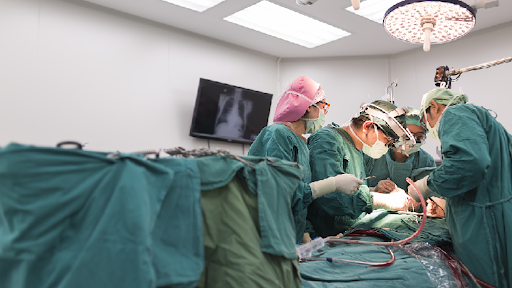
During transplantation, the patient receives anaesthesia, and a heart-lung machine generally maintains circulation while the surgeon operates. The diseased heart is removed, and the donor heart is connected to the major blood vessels. The surgical team then checks the new heart’s function and monitors the patient’s condition before transfer to intensive care.
-
Initial Monitoring After Surgery
After the operation, patients receive close supervision in an intensive care unit. The team monitors heart function, blood pressure, breathing, fluid balance, and signs of complications. Medicines and supportive care help the patient recover while doctors assess how well the transplanted heart is functioning.
Preparing for the Transplant Journey
Preparation helps patients understand the demands of transplantation and the care required afterwards. The healthcare team explains the procedure, potential complications, hospital stay, and long-term medication requirements. Patients may also receive guidance on nutrition, activity, infection prevention, and managing existing health conditions.
- Complete recommended tests and medical assessments
- Share medication details and relevant health history
- Follow the transplant team’s preparation instructions
- Discuss recovery expectations with family and caregivers
Clear communication helps patients and their families prepare for the practical and emotional demands of transplantation. Patients should raise concerns with their healthcare team and follow individualised instructions rather than relying on general advice.
Lifelong Care After a Heart Transplant
A successful operation is only one part of the transplant journey. The immune system may recognise the donor heart as foreign tissue, creating a risk of rejection. Patients therefore need immunosuppressant medicines to reduce this risk. These medicines must be taken exactly as prescribed, and the transplant team may adjust treatment according to test results and clinical findings.
Regular follow-up appointments help doctors monitor heart function, medication effects, and possible complications. Patients may need blood tests, heart imaging, and other assessments at intervals determined by their medical team. Infection prevention is also important because immunosuppressant medicines can weaken the body’s ability to fight infections.
Recovery progresses gradually, and returning to daily activities depends on individual health and medical guidance. Cardiac rehabilitation, suitable physical activity, balanced nutrition, and emotional support can help patients adapt to life after transplantation. Patients should promptly report concerning symptoms, including fever, unusual breathlessness, sudden weight changes, or a noticeable decline in their general condition.
Conclusion
Heart transplantation is a complex treatment journey involving eligibility assessment, donor matching, surgery, intensive monitoring, and lifelong follow-up. Careful planning and consistent aftercare are essential for managing complications and supporting the long-term health of the transplanted heart. Patients and families benefit from understanding each stage and maintaining close communication with the transplant team.
For individuals seeking advanced cardiac treatment, Dr. Udgeath Dhir brings extensive experience in cardiothoracic and vascular surgery, including complex heart failure procedures and heart transplantation. His expertise also covers bypass operations, valve treatment, and minimally invasive surgery for suitable cardiac conditions. Through individualized assessment, advanced surgical knowledge, and patient-focused care, Dr. Dhir helps patients understand their treatment options and navigate complex cardiac care with informed support.