

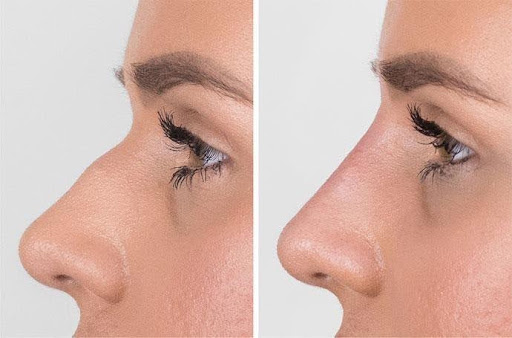
A person’s comfort with their appearance can be influenced by small details, from the shape of the nose to the balance of facial features and body proportions. Someone considering a nose lift may want to improve nasal definition, while another person may explore surgical options to address physical discomfort caused by larger breasts. Understanding the available procedures, their purposes, and their limitations helps individuals make informed decisions based on personal needs rather than unrealistic beauty standards.
Facial Features And Natural Proportions
Facial harmony depends on how different features relate to one another. The nose, chin, cheeks, and forehead all contribute to the overall appearance of the face. Changes to one feature can influence how the other features are perceived, which makes individual assessment important before considering cosmetic surgery.
A suitable treatment plan considers facial structure, skin characteristics, medical history, and personal expectations. The objective is to achieve a balanced result while respecting the person’s natural features.
Nasal Shape And Structural Support
The appearance of the nose is influenced by its underlying cartilage, bone, skin thickness, and relationship with surrounding facial structures. A nose lift may refer to a procedure intended to refine nasal shape or improve the position of the nasal tip, depending on the technique used.
Not every concern requires the same surgical approach. Some individuals may benefit from adjustments to the nasal tip, while others may need more extensive reshaping. A qualified plastic surgeon can explain which changes are technically possible and whether the procedure could affect nasal breathing.
Refining The Width Of The Nostrils
Nostril width and shape can influence the overall appearance of the nose, particularly when viewed from the front or below. Nostril reduction is a surgical procedure that removes a carefully planned amount of tissue to reduce the width of the nostrils or the base of the nose.
The procedure requires attention to symmetry, natural contours, and the placement of incisions. Removing too much tissue may create an unnatural appearance or affect the shape of the nostrils. A consultation helps establish realistic goals and determine whether the procedure suits the individual’s anatomy.
As with other surgical treatments, possible risks include swelling, bleeding, infection, scarring, and asymmetry. Healing time varies according to the extent of surgery and individual recovery.
Breast Reduction And Physical Comfort
Breast size can sometimes cause persistent back, neck, and shoulder discomfort. Some individuals also experience skin irritation beneath the breasts, difficulty finding suitable clothing, or limitations during exercise.
Breast reduction treatment involves removing excess breast tissue, fat, and skin to reduce breast size and improve proportions. The procedure may help relieve physical symptoms and make everyday activities more comfortable. Surgical planning considers breast size, skin elasticity, body proportions, and the individual’s expectations.
Patients should also understand potential changes in nipple sensation, scarring, breastfeeding ability, and breast shape. Recovery generally involves temporary restrictions on strenuous activities and follow-up appointments to monitor healing.
Conclusion
Cosmetic procedures are most beneficial when they address clearly defined concerns and are chosen for personal reasons. Careful assessment, transparent discussions, and appropriate aftercare contribute to safer treatment experiences. Individuals exploring these options can consult Dr. Soni Plastic Surgery & Hair Transplant Centre to discuss their concerns, understand suitable procedures, and receive guidance tailored to their needs.