

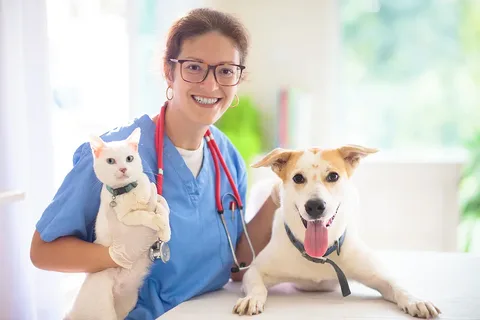
Pets cannot explain when they feel uncomfortable, experience pain, or notice changes in their bodies. As a result, small health concerns may remain unnoticed until they begin affecting everyday activities. Regular pet check ups help veterinarians assess an animal’s physical condition, monitor changes, and identify potential health concerns early.
Wellness examinations, vaccination packages, dental care, parasite treatment, laboratory testing, and diagnostic imaging can contribute to a comprehensive approach to veterinary healthcare. Understanding how these services work together helps pet owners make informed decisions about their companions’ ongoing healthcare needs.
Why Regular Veterinary Check-Ups Matter
A pet may appear energetic and comfortable while developing a health concern that is not immediately noticeable. Changes in body condition, skin health, movement, or oral hygiene can reveal important information about overall wellbeing. Veterinary examinations allow these signs to be assessed carefully rather than relying only on visible symptoms.
Wellness examinations help monitor health and identify concerns that may need further attention. They also allow veterinarians to evaluate different aspects of physical condition and recommend additional assessments when necessary. Regular visits create a health record, helping veterinarians compare changes over time and guide appropriate care for pets.
What Happens During a Pet Wellness Examination?
A wellness examination involves assessing several physical characteristics rather than focusing on just one symptom. A nose-to-tail assessment can consider movement, body condition, skin, eyes, ears, mouth, paws, and other physical indicators.
1. Assessing Movement and Body Condition
The way a pet walks and stands can offer useful information about mobility and physical comfort. Veterinarians can assess general movement alongside body condition, weight, and muscle mass. These observations help establish a picture of the animal’s physical health.
Changes in movement or body condition may indicate that closer assessment is necessary. Monitoring these characteristics across appointments also helps veterinarians recognize differences that might otherwise go unnoticed.
2. Examining Skin and Coat Health
Skin and coat condition are important parts of a wellness assessment. Excessive hair loss, dryness, oiliness, dandruff, lumps, or bumps can provide clues about possible health concerns.
A veterinary examination helps assess these visible changes and determine whether additional investigation or treatment may be needed. Dermatology and allergy treatments may also be considered when skin-related concerns require attention.
3. Checking the Eyes and Ears
The eyes and ears can reveal changes that deserve veterinary attention. During an examination, veterinarians may look for redness, discharge, cloudiness, excessive tearing, thickening, or irritation.
An otoscope can help examine the ears more closely. Checking these areas helps identify visible abnormalities and determine whether further evaluation is appropriate.
4. Evaluating Oral Health
Healthy teeth and gums contribute to a pet’s comfort and everyday wellbeing. During an examination, veterinarians can look for excessive salivation, tartar accumulation, periodontal disease, broken teeth, and ulcers around the mouth.
Professional dental care can help maintain oral health and address dental problems. Identifying concerns during routine visits helps owners understand when a separate dental assessment or treatment may be necessary.
How Veterinary Visits Help Monitor Internal Health
Physical observations provide useful information, but some health concerns require additional investigation. A veterinarian may recommend diagnostic procedures when an examination alone does not provide enough information to understand a problem.
In-House Laboratory Testing
In-house laboratory services support veterinary testing and diagnosis. Laboratory investigations can provide additional information when a veterinarian needs to evaluate a pet’s condition beyond what is visible during a physical examination.
The specific tests recommended depend on the animal’s symptoms, examination findings, and medical needs. Owners should discuss the purpose of any recommended test with their veterinarian to understand how its results may influence the next steps in care.
Radiology and Ultrasound
Diagnostic imaging can help veterinarians investigate internal concerns. Radiology and ultrasonography can assist in examining internal structures and supporting diagnosis.
X-rays can help assess skeletal structures, body cavities, and certain foreign objects. Ultrasound allows veterinarians to examine internal organs and tissues. These investigations may be recommended when additional information is needed following a wellness examination.
Diagnostic procedures are selected according to the individual case rather than automatically performed during every routine appointment.
The Role of Vaccinations and Parasite Prevention
Monitoring your pet’s health also involves reviewing preventive care. Vaccination packages help protect pets against harmful diseases, with suitable vaccines depending on age, lifestyle, and medical history. Regular veterinary visits allow owners to discuss vaccination requirements and check whether any doses need updating. Keeping vaccination records organized makes these discussions easier.
Parasite prevention is equally important, as fleas, ticks, and worms can affect a pet’s wellbeing. Veterinary parasite treatments help address these concerns. During appointments, owners can share details about their pet’s exposure, previous treatments, and visible signs of infestation so veterinarians can recommend appropriate care.
How Often Should Your Pet Visit the Veterinarian?
The ideal veterinary appointment schedule depends on a pet’s age, medical history, and individual needs. Young pets may benefit from yearly wellness examinations, while senior pets may require check-ups twice a year. Veterinarians can recommend suitable schedules based on each animal’s condition. Regular visits help monitor physical changes, review preventive care, and identify concerns that may require further investigation.
Owners should also seek veterinary advice when unusual symptoms appear rather than waiting for the next appointment. A pet wellness checkup in Dubai allows owners to discuss health concerns, review preventive measures, and understand whether additional tests or treatments are necessary.
Conclusion
Regular veterinary visits help pet owners monitor changes in their companions’ health and address potential concerns before they become more serious. Physical examinations, dental assessments, vaccinations, parasite treatments, and diagnostic tests support informed healthcare decisions. Following veterinary recommendations and maintaining an appropriate appointment schedule make pet check ups an essential part of supporting your pet’s long-term health and wellbeing.
Choosing the right veterinary care helps pets maintain healthier lives. Pet Point Veterinary Clinic supports pets with wellness examinations, vaccination packages, dental care, parasite treatment, in-house laboratory testing, radiology, ultrasonography, and other veterinary services. Their team can assess your pet’s health and recommend appropriate next steps based on individual needs. Contact Pet Point Veterinary Clinic today to discuss your pet’s healthcare requirements and arrange a suitable veterinary appointment in Dubai.