

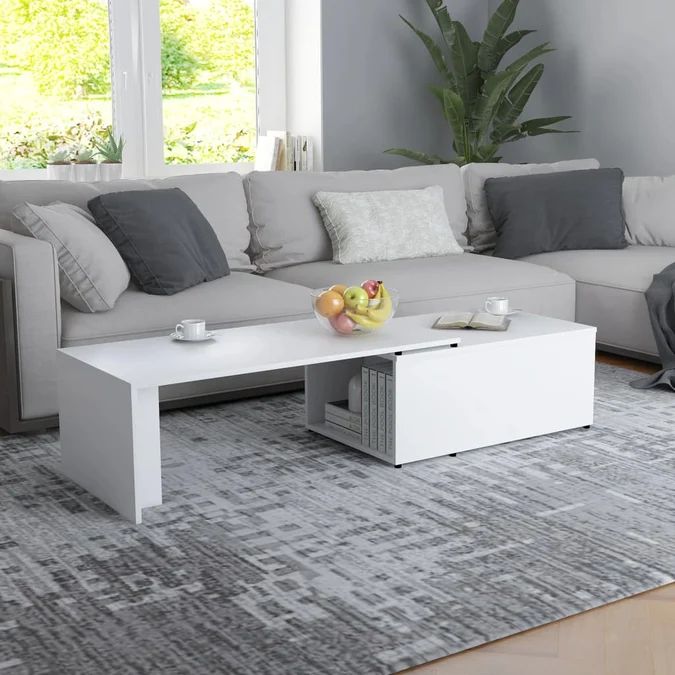
A small living room can serve several purposes without feeling overcrowded. It might be the place where someone enjoys morning coffee, catches up with friends, works on a laptop, or shares an evening meal. The difference often comes down to selecting furniture that suits the available space. A well-chosen small coffee table can provide a useful surface without blocking movement, while adaptable dining furniture helps a room respond to changing needs.
Making the most of limited space does not mean sacrificing comfort or style. It means understanding how furniture fits into daily routines, how much room people need to move, and which pieces can perform more than one function.
1. Measure The Space Before Choosing Furniture
Furniture shopping becomes easier when you know the room’s actual dimensions. Measure the length and width of the area, noting doorways, windows, radiators, and other features that affect placement.
Consider the space needed to walk between the sofa, table, and entrance. A piece might fit against a wall but still create an obstacle when someone pulls out a chair or opens a cupboard.
Marking furniture dimensions on the floor with removable tape can help you picture the arrangement before making a purchase. This simple step is particularly useful in apartments, studio homes, and compact dining areas where every centimetre matters.
2. Choose Tables That Match Your Routine
A coffee table should support the way you use your living room. If you mainly need somewhere to place drinks, a book, or a remote control, a compact design may be sufficient. Households that enjoy board games or informal meals might need a larger surface. When exploring coffee tables UK collections, consider the available space and your everyday requirements before choosing a design.
Shape also influences how a table fits into a room. Round tables can make it easier to move around corners, while rectangular designs often sit neatly alongside longer sofas. Oval tables offer an alternative when you want an elongated surface with softer edges.
Think about height as well. A table that sits close to the sofa seat is generally convenient for everyday use, although the ideal proportion depends on the furniture arrangement and personal preference.
3. Use Flexible Furniture For Changing Needs
A room rarely serves just one purpose throughout the day. A dining area might become a homework station, while a living room may need extra space when guests arrive.
Flexible furniture makes these transitions easier. Nesting tables can be separated when additional surfaces are needed and stacked together afterward. Extendable dining tables provide more seating when required, while occasional tables can be moved between rooms.
The important consideration is whether the furniture can be adjusted without creating additional inconvenience. Check how mechanisms operate, how much space the expanded design requires, and whether the furniture remains stable in each configuration.
4. Make Folding Dining Tables Work Harder
In a compact home, a permanent dining table may occupy valuable floor space even when nobody is eating. Foldable dinner tables offer an alternative by allowing the dining area to change according to the occasion.
Depending on the design, folding tables can be stored away, positioned against a wall, or expanded when additional seating is required. Some models feature drop-leaf sections that provide a smaller everyday surface and a larger one for meals with guests.
Before choosing a model, check its folded and expanded dimensions. Make sure there is sufficient room for chairs and comfortable movement when the table is open. It is also worth examining the hinges, locking mechanisms, and weight capacity to ensure the table suits regular use.
5. Compare Table Materials And Finishes
The material of a table affects its appearance, maintenance, and suitability for everyday activities. Wood and wood-effect finishes can introduce warmth, while metal frames often complement contemporary interiors. Glass tops may help a room feel visually open, although fingerprints and marks can require frequent cleaning.
Consider the household’s routines before settling on a finish. Families who eat at the table regularly may prefer surfaces that are easy to wipe clean. Homes with young children may benefit from rounded corners and sturdy construction.
Colour matters, too. Lighter finishes can complement small rooms with limited daylight, while darker surfaces can create contrast against pale walls. Rather than matching every furniture item, choose finishes that work together across the room.
6. Find The Right Size For Everyday Comfort
A table that is too large can dominate a room, while one that is too small may not provide enough useful space. The right dimensions depend on the number of people using it and the activities it needs to support.
When comparing coffee tables UK retailers offer, look beyond appearance and check the listed measurements carefully. Consider the width of the sofa, the distance between seating, and the space needed to reach the table comfortably.
For dining furniture, think about how many people usually eat together and how often additional seats are necessary. A compact table may suit daily meals, while an extendable design can provide extra room during family gatherings.
7. Create A Layout That Allows Easy Movement
Even attractive furniture can make a room uncomfortable when everything is pushed too close together. Start by identifying the main walking routes through the space, then arrange tables and seating around them.
Keep entrances and frequently used pathways clear. Avoid placing a table where people must squeeze past sharp corners or move chairs every time someone enters the room.
Lighting can also improve the arrangement. A well-positioned floor lamp or wall light can make a corner more useful without requiring another table. Mirrors and restrained decoration may help create a greater sense of openness, provided they do not compete with essential furniture.
Conclusion
Making a compact home more functional begins with thoughtful measurements, suitable table sizes, and furniture that adapts to everyday activities. Small changes in placement and storage can improve comfort without requiring a complete redesign.
Whether you need a small coffee table for relaxing or a flexible dining solution for occasional guests, choosing furniture around real household needs makes the process more rewarding. Cozy Furniture offers options to explore when comparing practical table designs and styles for different living spaces.