

Industrial pipeline systems play a vital role in transporting liquids, chemicals, and gases across various processing facilities. In industries such as chemical processing, pharmaceuticals, water treatment, and semiconductor manufacturing, maintaining a leak-free piping system is essential for operational safety and efficiency. Even a small leak in a pipeline can lead to product loss, environmental hazards, or costly downtime.
To prevent such issues, industries rely on high-performance piping materials that offer durability, chemical resistance, and reliable sealing. PVDF pipe fittings have emerged as one of the most trusted solutions for creating secure and leak-free industrial pipeline connections. With their superior material properties and excellent resistance to aggressive chemicals, PVDF fittings are widely used in modern industrial piping systems.
Understanding PVDF Pipe Fittings
PVDF stands for Polyvinylidene Fluoride, a high-performance thermoplastic known for its exceptional chemical resistance, mechanical strength, and thermal stability. PVDF pipe fittings are components used to connect, control, or redirect the flow of fluids within a piping system.
These fittings are used alongside PVDF pipes to create reliable pipeline networks capable of handling corrosive fluids and demanding operating conditions. Because of their ability to maintain tight and secure connections, PVDF fittings help ensure leak-free fluid transfer in industrial environments.
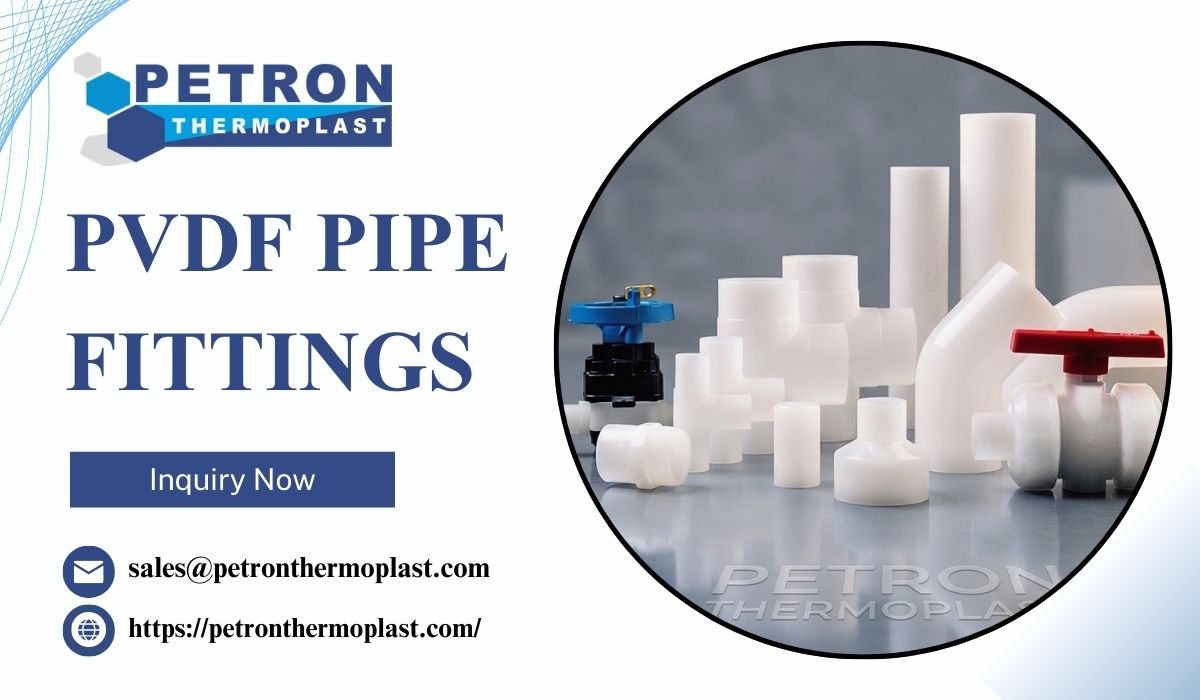
PVDF fittings are available in various configurations such as elbows, tees, reducers, couplings, and unions, allowing engineers to design flexible and efficient pipeline layouts.
Importance of Leak-Free Pipeline Connections
In industrial facilities, pipeline leaks can cause several operational challenges. These include:
- Loss of valuable chemicals or fluids
- Environmental contamination
- Increased maintenance costs
- Equipment damage
- Workplace safety risks
For industries handling corrosive chemicals or hazardous liquids, leak prevention is especially critical. Reliable pipe fittings ensure strong connections between pipes and prevent fluid escape under pressure or temperature variations.
PVDF pipe fittings are specifically designed to address these concerns and provide secure pipeline performance.
Key Features of PVDF Pipe Fittings
PVDF pipe fittings offer several advanced features that make them ideal for leak-free industrial pipeline connections.
Exceptional Chemical Resistance
PVDF material provides outstanding resistance to a wide range of chemicals, including strong acids, alkalis, and solvents. This property makes PVDF fittings highly suitable for chemical processing systems where corrosion resistance is essential.
Strong Mechanical Integrity
PVDF fittings offer high mechanical strength, allowing them to withstand pressure fluctuations and mechanical stress within pipeline systems. This strength helps maintain tight connections even under demanding operating conditions.
High Temperature Resistance
Compared to many other plastic materials, PVDF performs well at elevated temperatures. This thermal stability ensures reliable sealing and structural integrity in industrial processes involving heated fluids.
Smooth Internal Surface
PVDF fittings have a smooth internal structure that reduces friction and prevents buildup of deposits. This allows fluids to flow smoothly through the pipeline and helps maintain system efficiency.
Long Service Life
Due to their durability and chemical resistance, PVDF pipe fittings can perform reliably for many years without frequent maintenance or replacement.
Types of PVDF Pipe Fittings
Industrial piping systems require a variety of fittings to ensure smooth fluid movement and proper system design. Some commonly used PVDF pipe fittings include:
Elbows
PVDF elbows are used to change the direction of fluid flow within the pipeline. They are available in different angles such as 45 degrees and 90 degrees.
Tees
PVDF tees allow fluid flow to split into two directions, making them useful for branching pipeline systems.
Reducers
Reducers connect pipes of different diameters, enabling smooth transitions between pipe sizes.
Couplings
Couplings join two sections of pipes together and ensure a secure connection.
Unions
Unions allow easy disassembly of pipeline sections for maintenance and repairs.
End Caps
End caps are used to seal the ends of pipelines, preventing fluid leakage.
These fittings allow engineers to build efficient and flexible pipeline networks suitable for complex industrial processes.
Industrial Applications of PVDF Pipe Fittings
PVDF pipe fittings are widely used in industries where corrosion resistance, durability, and leak prevention are critical.
Chemical Processing Plants
Chemical manufacturing facilities handle aggressive substances that can damage traditional piping materials. PVDF fittings provide reliable performance in such environments and ensure safe chemical transport.
Water Treatment Facilities
Water treatment plants use PVDF piping systems to transport chemicals used in purification processes. The corrosion resistance of PVDF helps maintain system reliability.
Pharmaceutical Manufacturing
Pharmaceutical production requires contamination-free fluid handling systems. PVDF fittings are ideal because they maintain high purity levels.
Semiconductor Industry
Semiconductor manufacturing requires ultra-clean chemical transfer systems. PVDF pipe fittings support these high purity fluid handling requirements.
Electroplating and Metal Processing
Electroplating plants and metal treatment facilities use strong chemicals that require corrosion-resistant piping solutions. PVDF fittings provide safe and efficient chemical transport.
Advantages Over Traditional Metal Fittings
Many industries are replacing traditional metal fittings with thermoplastic fittings such as PVDF due to their superior performance.
Corrosion Resistance
Metal fittings can corrode when exposed to chemicals or moisture. PVDF fittings eliminate this risk and maintain their structural integrity.
Lightweight Design
PVDF fittings are lighter than metal fittings, making transportation and installation easier.
Reduced Maintenance
Because PVDF is resistant to chemical attack, these fittings require minimal maintenance compared to metal components.
Improved Safety
Leak-free PVDF connections reduce the risk of hazardous chemical exposure and improve workplace safety.
Cost Efficiency
Although PVDF is a high-performance material, its long service life and low maintenance requirements make it a cost-effective solution for industrial pipeline systems.
Importance of Proper Installation
To ensure leak-free performance, proper installation of PVDF pipe fittings is essential. Industrial technicians should follow recommended installation practices, including:
- Using compatible pipes and fittings
- Applying correct joining methods such as welding or threaded connections
- Ensuring proper alignment of pipes
- Conducting pressure testing after installation
Proper installation helps maximize the performance and lifespan of the piping system.
Choosing a Reliable Supplier
Industries must select a trusted supplier to ensure the quality and reliability of PVDF pipe fittings. A reliable supplier should offer:
- High-quality manufacturing standards
- A wide range of pipe fittings and sizes
- Technical support for product selection
- Consistent product availability
Working with an experienced supplier ensures that industries receive dependable products for their pipeline systems.
Petron Thermoplast – Reliable PVDF Pipe Fittings Supplier
Petron Thermoplast is a trusted name in the field of industrial plastic piping solutions. The company offers a comprehensive range of PVDF pipe fittings designed for demanding industrial environments.
With a focus on quality, precision manufacturing, and customer satisfaction, Petron Thermoplast supplies high-performance piping components for industries such as chemical processing, water treatment, pharmaceuticals, and infrastructure development.
The company provides durable PVDF pipe fittings that support leak-free industrial pipeline connections and ensure long-term operational reliability.
Future of PVDF Piping Systems
As industries continue to adopt advanced materials for improved efficiency and safety, the demand for PVDF piping systems is expected to grow. Engineers and plant designers increasingly prefer PVDF components for their ability to withstand corrosive chemicals and maintain high-performance standards.
Innovations in thermoplastic engineering are also improving the durability and efficiency of PVDF pipe fittings, making them an essential component of modern industrial infrastructure.
These developments will further strengthen the role of PVDF fittings in chemical processing, fluid management, and high-purity industrial applications.
Conclusion
Leak-free pipeline connections are essential for the safe and efficient operation of industrial facilities. PVDF pipe fittings offer a reliable solution for industries that require corrosion resistance, durability, and high-performance fluid handling systems.
With their excellent chemical resistance, strong mechanical properties, and long service life, PVDF fittings are widely used in chemical plants, water treatment facilities, pharmaceutical manufacturing, and semiconductor industries.
By choosing high-quality PVDF pipe fittings from trusted suppliers like Petron Thermoplast, industries can ensure secure pipeline connections, reduce maintenance costs, and improve overall operational safety. PVDF piping solutions continue to support modern industrial infrastructure by delivering dependable and efficient fluid handling performance.