

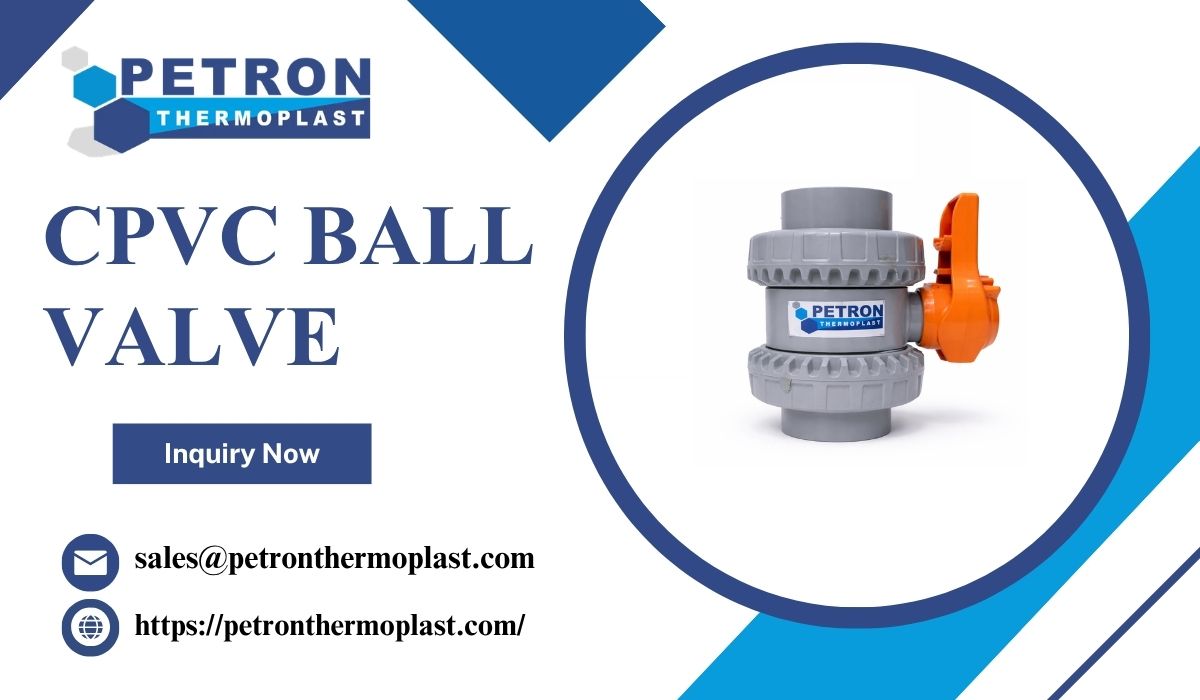
In modern industrial environments, handling aggressive chemicals safely and efficiently is a top priority. Industries such as chemical processing, water treatment, pharmaceuticals, and electroplating demand piping systems that can withstand highly corrosive substances without compromising performance. One of the most reliable components in such systems is the CPVC ball valve. Known for its excellent chemical resistance, durability, and cost-effectiveness, CPVC ball valves have become a preferred choice for acid-resistant pipeline systems.
This blog explores the importance, features, applications, and benefits of CPVC ball valves in acid-handling environments, helping you understand why they are essential for industrial operations.
What is a CPVC Ball Valve?
A CPVC (Chlorinated Polyvinyl Chloride) ball valve is a quarter-turn valve that uses a rotating ball with a hole (bore) to control the flow of liquids. When the valve handle is turned, the ball rotates to either allow or block the flow of fluid.
CPVC is a thermoplastic material derived from PVC, enhanced through chlorination to improve its temperature resistance and chemical stability. This makes CPVC particularly suitable for handling corrosive fluids like acids, alkalis, and salts.
Why CPVC Ball Valves Are Ideal for Acid Resistant Systems?
Acidic environments pose significant challenges to standard piping components. Metals can corrode, and lower-grade plastics may degrade over time. CPVC, however, offers exceptional resistance to a wide range of chemicals.
- Superior Chemical Resistance
CPVC ball valves are highly resistant to acids such as sulfuric acid, hydrochloric acid, and nitric acid. This ensures long-term performance without material degradation or leakage issues.
- Corrosion-Free Performance
Unlike metal valves, CPVC does not rust or corrode. This eliminates the need for coatings or additional protective layers, reducing maintenance costs and downtime.
- High Temperature Tolerance
CPVC can withstand higher temperatures compared to standard PVC, typically up to 93°C (200°F). This makes it suitable for processes involving hot acidic fluids.
- Smooth Flow Characteristics
The internal surface of CPVC valves is smooth, reducing friction and pressure loss. This ensures efficient fluid flow and minimizes energy consumption.
Key Features of CPVC Ball Valves
Understanding the features of CPVC ball valves helps in selecting the right valve for your acid-resistant pipeline system.
- Leak-Proof Design
CPVC ball valves are designed with tight sealing mechanisms, ensuring zero leakage even under high-pressure conditions.
- Lightweight Construction
Compared to metal valves, CPVC valves are lightweight, making installation easier and reducing structural load on pipelines.
- Easy Operation
The quarter-turn mechanism allows quick opening and closing, enabling efficient flow control in emergency situations.
- Low Maintenance
Due to their corrosion resistance and durable construction, CPVC ball valves require minimal maintenance over their lifespan.
- Long Service Life
CPVC material ensures resistance to scaling, pitting, and chemical attack, resulting in extended service life even in harsh environments.
Applications of CPVC Ball Valves in Acid Handling Systems
CPVC ball valves are widely used across various industries where acid-resistant pipeline systems are essential.
- Chemical Processing Plants
In chemical industries, pipelines often carry highly corrosive acids. CPVC ball valves ensure safe and reliable flow control, preventing leaks and contamination.
- Water Treatment Facilities
Water treatment systems use acids for pH control and cleaning processes. CPVC valves provide durability and consistent performance in such conditions.
- Pharmaceutical Industry
Precision and hygiene are critical in pharmaceutical manufacturing. CPVC ball valves offer chemical resistance and contamination-free operation.
- Electroplating and Metal Finishing
Acidic solutions used in electroplating processes require corrosion-resistant components. CPVC valves are ideal for handling these aggressive chemicals.
- Industrial Cleaning Systems
Many industrial cleaning processes involve acidic solutions. CPVC ball valves ensure safe handling and efficient flow control.
Advantages Over Traditional Materials
When compared to metal or other plastic valves, CPVC ball valves offer several advantages:
- Cost-Effective Solution
CPVC valves are more affordable than stainless steel or alloy valves while providing similar or better chemical resistance.
- No Scaling or Deposits
Metal valves often suffer from scaling and deposits, especially in chemical environments. CPVC eliminates this issue, ensuring consistent performance.
- Easy Installation
CPVC valves can be easily installed using solvent cement welding or threaded connections, reducing installation time and labor costs.
- Resistance to UV and Weathering
CPVC performs well in outdoor installations, maintaining its properties even when exposed to sunlight and varying weather conditions.
Factors to Consider When Selecting CPVC Ball Valves
Choosing the right CPVC ball valve is crucial for ensuring optimal performance in acid-resistant systems.
- Chemical Compatibility
Ensure the CPVC material is compatible with the specific acid being handled. While CPVC is resistant to many acids, checking compatibility charts is recommended.
- Pressure Rating
Select a valve with the appropriate pressure rating based on your system requirements.
- Temperature Range
Consider the operating temperature of the fluid to ensure the valve performs effectively under those conditions.
- Valve Size and Type
Choose the correct size and configuration to match your pipeline design.
- Quality and Standards
Opt for valves manufactured according to international standards to ensure reliability and safety.
Installation and Maintenance Tips
Proper installation and maintenance are essential for maximizing the performance of CPVC ball valves.
Installation Tips:
- Ensure proper alignment of the valve with the pipeline
- Use recommended adhesives or fittings for secure connections
- Avoid over-tightening threaded connections
- Allow sufficient curing time for solvent joints
Maintenance Tips:
- Regularly inspect for signs of wear or leakage
- Clean the valve to prevent buildup of residues
- Operate the valve periodically to prevent stiffness
- Replace seals or components if necessary
Environmental and Safety Benefits
CPVC ball valves contribute to safer and more sustainable industrial operations.
- Reduced Risk of Leakage
Leak-proof performance minimizes the risk of hazardous chemical spills.
- Lower Environmental Impact
Durable and long-lasting materials reduce the need for frequent replacements, lowering waste generation.
- Enhanced Worker Safety
Reliable flow control ensures safe handling of corrosive substances, protecting workers and equipment.
Why Choose Petron Thermoplast for CPVC Ball Valves?
When it comes to high-quality CPVC ball valves for acid-resistant pipeline systems, choosing the right manufacturer is crucial. Petron Thermoplast stands out as a trusted provider of industrial piping solutions.
Key Benefits:
- Premium quality CPVC materials
- Precision-engineered valve design
- Wide range of sizes and configurations
- Custom solutions for industrial applications
- Competitive pricing and reliable supply
With extensive experience in manufacturing and supplying high-performance plastic components, Petron Thermoplast ensures that every product meets the highest standards of durability and performance.
Conclusion
CPVC ball valves are an essential component in acid-resistant pipeline systems, offering unmatched chemical resistance, durability, and cost efficiency. Their ability to handle aggressive acids, combined with easy installation and low maintenance, makes them the ideal choice for a wide range of industrial applications.
From chemical processing plants to water treatment facilities, CPVC ball valves provide reliable flow control and long-term performance, ensuring safe and efficient operations. By investing in high-quality CPVC valves from a trusted manufacturer like Petron Thermoplast, industries can enhance system reliability, reduce maintenance costs, and improve overall productivity.
If you are looking to upgrade your pipeline system for acid handling, CPVC ball valves are undoubtedly a smart and future-ready solution.