

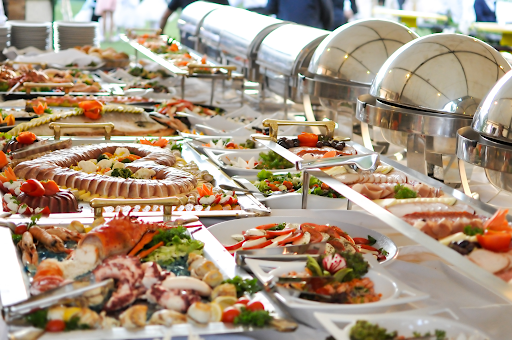
Delivering meals to a group of people consistently requires more than cooking skills. Whether food is prepared for corporate offices, conferences, schools or private functions, successful operations depend on coordination, resource planning and reliable service. Ingredient availability, preparation schedules, staffing and food safety all influence the quality of the final experience. When these elements are managed effectively, catering becomes easier to organise and more predictable for both clients and service providers.
Well-structured catering management services help bring these responsibilities together. By establishing clear procedures for menu planning, purchasing, preparation and delivery, catering teams can improve coordination and reduce avoidable disruptions. A systematic approach also helps businesses respond to changing customer requirements while maintaining consistent standards across different events and service arrangements.
Understanding the Foundations of Catering Management
Catering management involves overseeing the activities required to prepare and serve food efficiently. This includes estimating demand, planning menus, coordinating staff, managing supplies and ensuring that meals are ready when required. Each responsibility affects the others, making communication and organisation essential to the overall process.
For example, an unexpected increase in guest numbers may affect ingredient requirements, preparation time and staffing levels. Without an established process for managing such changes, the team may struggle to deliver the agreed service. Clear booking procedures, confirmed attendance figures and realistic preparation schedules can help reduce these challenges.
Standard operating procedures can further support consistency. Documenting recipes, portion sizes, hygiene requirements and service expectations gives employees a shared reference point. These procedures are particularly useful when several team members contribute to the same order or when a business handles multiple events at the same time.
Why Planning Improves Food Service Operations
Planning helps catering businesses make informed decisions before work begins. Menu selection should account for the type of event, expected attendance, available facilities and the time allocated for service. A corporate breakfast, a conference lunch and a formal reception may require different preparation methods, serving arrangements and staffing levels.
Ingredient purchasing should be aligned with the confirmed menu and estimated quantities. Ordering too much can increase storage costs and food waste, while ordering too little may lead to shortages. Maintaining reliable supplier relationships and monitoring frequently used ingredients can help businesses anticipate requirements and manage inventory more effectively.
Preparation schedules are equally important. Certain dishes require longer cooking times, while others need to be assembled or served shortly before consumption. Organising these tasks in a logical sequence helps teams use their time efficiently and ensures that food is prepared and delivered according to the agreed schedule.
Maintaining Consistency Through Professional Standards
Customers expect catering providers to deliver meals that meet agreed standards, regardless of the size or type of event. Consistency depends on clear recipes, appropriate portion control, suitable ingredients and staff who understand their responsibilities. When these practices are established, businesses can reduce variations in quality and create more dependable service experiences.
Reliable professional food services also require attention to presentation and communication. Food should be packaged or arranged according to the occasion, and service teams should understand how dishes are to be presented. For workplace lunches, convenience may be the priority, whereas formal gatherings may require more detailed presentation and coordinated service.
Food safety must remain central throughout preparation, transportation and serving. Catering teams should follow applicable hygiene regulations, maintain appropriate food temperatures, prevent cross-contamination and communicate allergen information clearly. Regular staff training and documented procedures can help reinforce these responsibilities and reduce preventable risks.
Managing Staff and Daily Responsibilities
People are central to catering operations. Chefs, kitchen assistants, delivery personnel, servers and administrative staff may all contribute to completing an order successfully. Their responsibilities need to be clearly defined so that tasks are completed in the correct sequence and important details are not overlooked.
Workforce planning should reflect the scale and complexity of each assignment. A small office lunch may require limited staffing, while a large event could need separate teams for preparation, transport, setup and guest service. Assigning responsibilities in advance can help prevent duplication, confusion and unnecessary delays.
Training also contributes to better performance. Employees should understand food-handling requirements, equipment procedures, cleaning schedules and customer-service expectations. Briefings before major events can help ensure that everyone understands the menu, timings, venue arrangements and any special requests.
Technology and Operational Visibility
Digital tools can make catering operations easier to monitor. Booking systems, spreadsheets and inventory-management software can help businesses track orders, record customer preferences and maintain information about ingredient requirements. Even relatively simple systems can reduce dependence on scattered messages or handwritten records.
Accurate records also support better decision-making. Reviewing previous orders may help a business identify popular menu options, estimate demand during busy periods and understand which services require additional resources. Inventory records can highlight frequently used ingredients and make it easier to plan replenishment.
However, technology is most useful when the underlying process is clear. A digital booking system cannot prevent confusion if menu changes are not recorded or staff responsibilities remain uncertain. Businesses should choose tools that suit their operational scale and ensure that employees know how to use them consistently.
Controlling Costs and Reducing Food Waste
Cost management is a major consideration for any catering operation. Ingredient prices, labour, transportation, equipment and packaging all influence the cost of delivering a service. Understanding these expenses helps businesses prepare realistic quotations and evaluate whether their pricing supports sustainable operations.
Portion planning is one practical way to manage costs. Standardised serving sizes make ingredient requirements easier to estimate and help maintain consistency across orders. Reviewing purchasing patterns and storage practices can also reduce spoilage and prevent unnecessary spending.
Food waste should be addressed through realistic attendance estimates, careful stock rotation and appropriate preparation quantities. Where permitted and safe, surplus food may be handled according to established food-safety procedures and applicable local requirements. The goal is to plan more accurately rather than compromise food quality or guest satisfaction.
Adapting to Different Customer Requirements
Catering clients do not all require the same service. Businesses may need recurring workplace lunches, while event organisers may request refreshments, buffet arrangements or meals for large gatherings. A flexible operational model allows providers to adapt their services without losing control of quality and costs.
When evaluating a catering business in nigeria, customers may consider the provider’s ability to explain its processes, respond to dietary requirements and coordinate delivery arrangements. Providers, in turn, benefit from collecting clear information about guest numbers, budgets, venue facilities and service timings before confirming an order.
Communication should continue when requirements change. If attendance increases, delivery access becomes restricted or a menu item needs to be adjusted, the relevant people should be informed promptly. Clear records of agreed changes help prevent misunderstandings and support a more reliable service.
Measuring Performance and Improving Operations
Catering businesses can improve their processes by reviewing performance after completed orders. Useful measures may include on-time delivery, customer feedback, food waste, ingredient costs and the frequency of order changes. These indicators help identify areas that need attention without relying solely on general impressions.
Customer feedback can reveal whether portions were appropriate, meals arrived at the expected time and service arrangements met the client’s needs. Internal reviews can identify preparation bottlenecks, supplier issues or communication gaps. By recording these observations, businesses can make practical adjustments to future orders.
Improvement should be an ongoing process rather than a response only to problems. Regularly reviewing menus, supplier performance, staff training and operating procedures helps catering teams adapt to changing demand while maintaining clear standards.
Conclusion
Successful catering operations depend on coordinated planning, trained staff, responsible purchasing and consistent food-safety practices. When these elements work together, providers can manage resources more effectively, respond to customer needs and deliver a dependable service across different types of assignments.
CFS Nigeria can be explored by organisations seeking catering support for their operational and event requirements. By prioritising clear communication and structured planning, businesses can make food service more efficient while maintaining the standards that customers expect.