

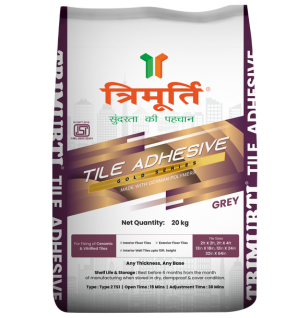
Choosing the right bonding material is important for a successful wall tiling project. A suitable wall tile adhesive should match the tile material, surface condition, installation area, and expected exposure to moisture or movement. Considering these factors can support better adhesion, cleaner alignment, and a durable finish.
Different wall tiles can have different absorption levels, weights, textures, and surface characteristics. Understanding these differences helps installers select a bonding solution that suits the specific application rather than relying on a one-size-fits-all approach. Careful selection can also contribute to consistent installation quality and better long-term performance.
Understanding the Role of Tile Adhesives
Tile adhesive forms the bonding layer between the tile and its supporting surface. Different tiles have different levels of absorption, weight, texture, and surface density, so one product may not suit every installation. Selection should begin with the tile and wall characteristics rather than price alone.
Wall installations also require attention to sag resistance, open time, adjustability, and bonding strength. These properties influence how easily tiles remain positioned during installation and how consistently the finished surface performs.
Tile Material and Bonding Requirements
The tile material directly affects the bonding performance required. Ceramic, vitrified, porcelain, natural stone, glass, mosaic, and large-format tiles can differ in weight, absorption, surface characteristics, and handling requirements.
-
Ceramic Tiles
Ceramic tiles are widely used on interior walls because they are generally lighter and comparatively easy to install. A suitable cement-based adhesive can provide dependable grip when the substrate is properly prepared. Tile size, location, moisture exposure, and product specifications should still be considered.
-
Vitrified Tiles
Vitrified tiles have a dense structure and low water absorption. Their relatively non-porous surface can demand dependable bonding performance. The selected adhesive should provide reliable contact with the tile and suit the intended wall environment.
-
Porcelain Tiles
Porcelain tiles are dense, durable, and low in absorption, making compatibility important. A suitable bonding solution can help establish secure contact between the tile and substrate. Product specifications should be checked for porcelain compatibility before installation.
-
Natural Stone
Marble, granite, and other natural stones can be heavier and may have particular moisture or appearance considerations. The adhesive should suit the stone, weight, surface, and installation conditions. Light-coloured stone may also require attention to adhesive colour for a consistent appearance.
-
Glass and Mosaic Tiles
Glass and mosaic tiles can have decorative or translucent characteristics, so the adhesive may influence the final appearance. In wet locations, its stated environmental suitability should also be reviewed.
-
Large-Format Wall Tiles
Large-format tiles place greater demands on the bonding layer because of their size and weight. Consistent adhesive coverage becomes especially important to reduce unsupported areas. The selected solution should provide suitable bond strength and sag resistance for wall application.
Surface Conditions and Installation Environment
Concrete, plastered surfaces, cement boards, and other substrates can have different characteristics that affect adhesion. Dust, loose particles, cracks, unevenness, or unsuitable moisture conditions should be addressed before bonding begins.
The environment also matters. Bathrooms and kitchens can expose tiles to regular moisture, while exterior walls may experience temperature changes and weather exposure. A product’s stated resistance and application range should therefore be reviewed before selection.
Product Specifications Worth Reviewing
Technical specifications provide a practical basis for comparing suitable options. Open time indicates how long the adhesive remains workable after application, while pot life describes the usable period after mixing. Adjustable time can help installers position tiles accurately before the material begins to set.
Strength, coverage, water resistance, and storage requirements also deserve attention. When comparing the top 10 tile adhesive brands in India, specifications can provide a useful basis for evaluation beyond brand recognition. Different brands may offer varied formulations and product ranges, so the final selection should remain connected to the actual project requirements and site conditions.
Installation Practices That Support Adhesion
Even a suitable adhesive cannot compensate for poor installation practices. The wall should be prepared according to product instructions, and the adhesive should be mixed using the recommended quantity of water. Incorrect mixing can affect intended performance.
The adhesive should be spread consistently with an appropriate trowel to create an even layer. Tiles should be positioned within the recommended working period and adjusted carefully. Suitable coverage can reduce empty spaces behind tiles and support a dependable bond. Manufacturer guidance should remain the primary reference for preparation, mixing, application, and setting requirements.
Practical Selection Checklist
Before purchasing a product, it helps to bring the main project conditions together in one review. Checking the tile, wall, environment, and technical specifications makes comparison more systematic and reduces the risk of choosing an unsuitable product.
- Identify the tile material and size.
- Assess the wall substrate and surface condition.
- Check whether the area is wet, dry, interior, or exterior.
- Review the adhesive’s stated application range.
- Compare bonding strength and resistance properties.
- Check open time, pot life, and adjustable time.
- Follow the recommended mixing and application method.
- Consider the required finish and tile appearance.
Using these points together keeps selection focused on actual installation needs. It also helps installers avoid choosing a material simply because it is widely available or inexpensive.
Common Selection Mistakes to Avoid
One common mistake is using the same adhesive for every tile material and application. A product suitable for ordinary ceramic wall tiles may not provide the same performance for dense porcelain, heavy natural stone, or large-format tiles. Another issue is overlooking the substrate, even when the adhesive itself is appropriate.
Ignoring moisture exposure can create problems in bathrooms, kitchens, and exterior installations. It is equally important not to exceed the product’s recommended working conditions. Reading technical information and following application guidance can prevent many avoidable installation issues.
Conclusion
The right adhesive selection depends on more than the tile itself. Material, size, wall condition, moisture exposure, installation environment, and product specifications all contribute to the final result. Comparing these factors can support stronger adhesion, improved appearance, and greater confidence in the completed wall surface.
For those seeking dependable tile-fixing and finishing materials, Trimurti offers solutions covering tile adhesives, grouts, tile care products, and related accessories. Its tile-fixing range includes several adhesive options for different applications, while Trimurti tile grout can complement the finishing stage by supporting neat and durable joints. This range helps keep project requirements central when selecting materials for a complete tiling solution.