

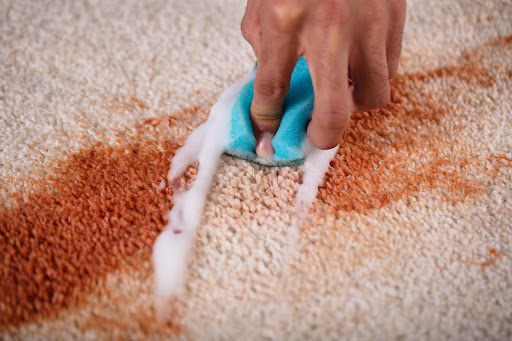
A carpet can quietly change the character of a room. What once looked rich and inviting may gradually become dull, faded, or uneven after years of footsteps, sunlight, spills, and routine use. Yet a worn appearance does not always mean the carpet has reached the end of its useful life. With the right care, carpet cleaning and dyeing can help refresh its appearance while addressing some of the damage caused by everyday living.
Why Carpets Lose Their Original Color
Carpet color can fade for several reasons. Continuous exposure to sunlight is one common factor, particularly when rugs are placed near large windows or glass doors. Ultraviolet light can affect dyes over time and cause certain shades to become less vibrant.
Foot traffic can also influence appearance. Frequently used areas may collect dust and soil while fibers experience repeated friction. Spills, inappropriate cleaning products, moisture, and previous treatment attempts can create additional color inconsistencies.
The material itself matters too. Natural fibers and synthetic fibers respond differently to cleaning agents and dyes. The original dyeing method, fiber condition, and age of the carpet all influence how restoration should be approached.
Cleaning Comes Before Color Restoration
Dyeing a dirty carpet is rarely a sensible first step. Soil and residue can affect how evenly a new color develops, making proper carpet cleaning and dyeing an important part of the restoration process.
Professional cleaning can remove accumulated dust, surface soil, stains, and other contaminants that ordinary vacuuming cannot fully address. It can also reveal the actual condition of the fibers underneath the dirt.
Once the carpet has been thoroughly cleaned and dried, its color can be assessed more accurately. In some cases, cleaning alone may make the carpet appear noticeably brighter. Where genuine fading or uneven color remains, dyeing may then be considered.
Assessing Fibers Before Dyeing
Not every carpet should be dyed in the same way. A professional assessment helps determine whether color restoration is appropriate for the material and condition of the carpet.
The technician may consider the fiber type, existing color, level of fading, previous treatments, stains, and areas of wear. They may also check whether the fibers are strong enough to undergo further treatment.
This assessment is particularly important for older, handmade, Persian, Oriental, or delicate carpets. Their construction and dyes may require more controlled methods than a standard machine-made carpet.
Dyeing Can Improve Uneven Color
Dyeing can be useful when a carpet has lost color in selected areas or developed an uneven appearance. Instead of simply adding color without assessment, the process should aim to produce a balanced result that works with the carpet’s existing tones.
For example, a section exposed to sunlight may look noticeably lighter than the rest of the carpet. Similarly, frequently walked areas can appear different from sections that receive little traffic. Carefully selected dye can help reduce these visible differences.
The objective is not necessarily to make an old carpet look brand new. A successful restoration focuses on improving color consistency while respecting the carpet’s existing character.
Professional Techniques Require Precision
Color restoration is more complicated than applying a layer of color across a surface. Different fibers absorb dye differently, and existing colors can influence the final shade. Professional carpet dyeing requires careful consideration of the carpet’s material, existing color, and overall condition.
Professionals may use controlled dyeing methods based on the carpet’s material and the desired result. Color matching also requires attention because a shade that looks correct in a sample may behave differently when applied across a larger area.
Testing is therefore valuable before extensive treatment begins. It can help reveal how the fiber responds and whether the selected color produces the expected appearance.
Stains Need Separate Attention
Fading is not the only reason a carpet can look worn. Stubborn stains may remain visible even after routine cleaning, particularly when substances have penetrated deeper into the fibers.
Cleaning and dyeing should not be treated as a universal solution for every type of damage. A professional may first determine whether a stain can be removed, reduced, or blended through color treatment.
This distinction matters because simply dyeing over a stain may not produce an even result. The underlying condition needs to be addressed before colour restoration can achieve its intended effect.
Repair And Dyeing Can Work Together
Some carpets need more than colour improvement. Edges may become damaged, small holes can develop, and fibres may weaken in areas exposed to repeated movement. In such cases, repair may need to happen before dyeing.
Repairing damaged sections first can create a more stable foundation for subsequent cleaning and colour treatment. Depending on the carpet, restoration may involve several carefully coordinated stages rather than one simple procedure.
This approach can be especially valuable for carpets with sentimental, decorative, or financial value. Preserving an existing piece may be preferable to replacing it when the underlying structure remains suitable for restoration.
Choosing Professional Carpet Dyeing Services
When colour restoration requires specialised knowledge, professional carpet dyeing can offer greater control than attempting the work with household products. Carpet dyes, cleaning solutions, fibre reactions, drying conditions, and colour matching all require careful handling.
A professional service can also evaluate whether dyeing is actually appropriate. This is important because not every faded carpet should be recoloured. In some cases, cleaning, repair, or another restoration method may provide a better result.
The goal should always be to select a treatment based on the carpet rather than forcing the carpet to fit a particular treatment.
Conclusion
A faded carpet often tells the story of years of use, but wear does not automatically mean it has lost its value. Dirt can hide the original character of fibres, while fading can make colours appear less balanced than they once were. With suitable cleaning, careful assessment, and controlled colour treatment, some carpets can regain a fresher and more consistent appearance.
For homeowners and businesses, this approach can also provide an alternative to immediate replacement. When restoration is technically suitable, combining cleaning with targeted colour work can help extend the useful life of an existing carpet.
For those seeking careful carpet restoration and maintenance, Moonlight Carpet Washing LLC. can be considered when professional cleaning and colour-care services are needed.